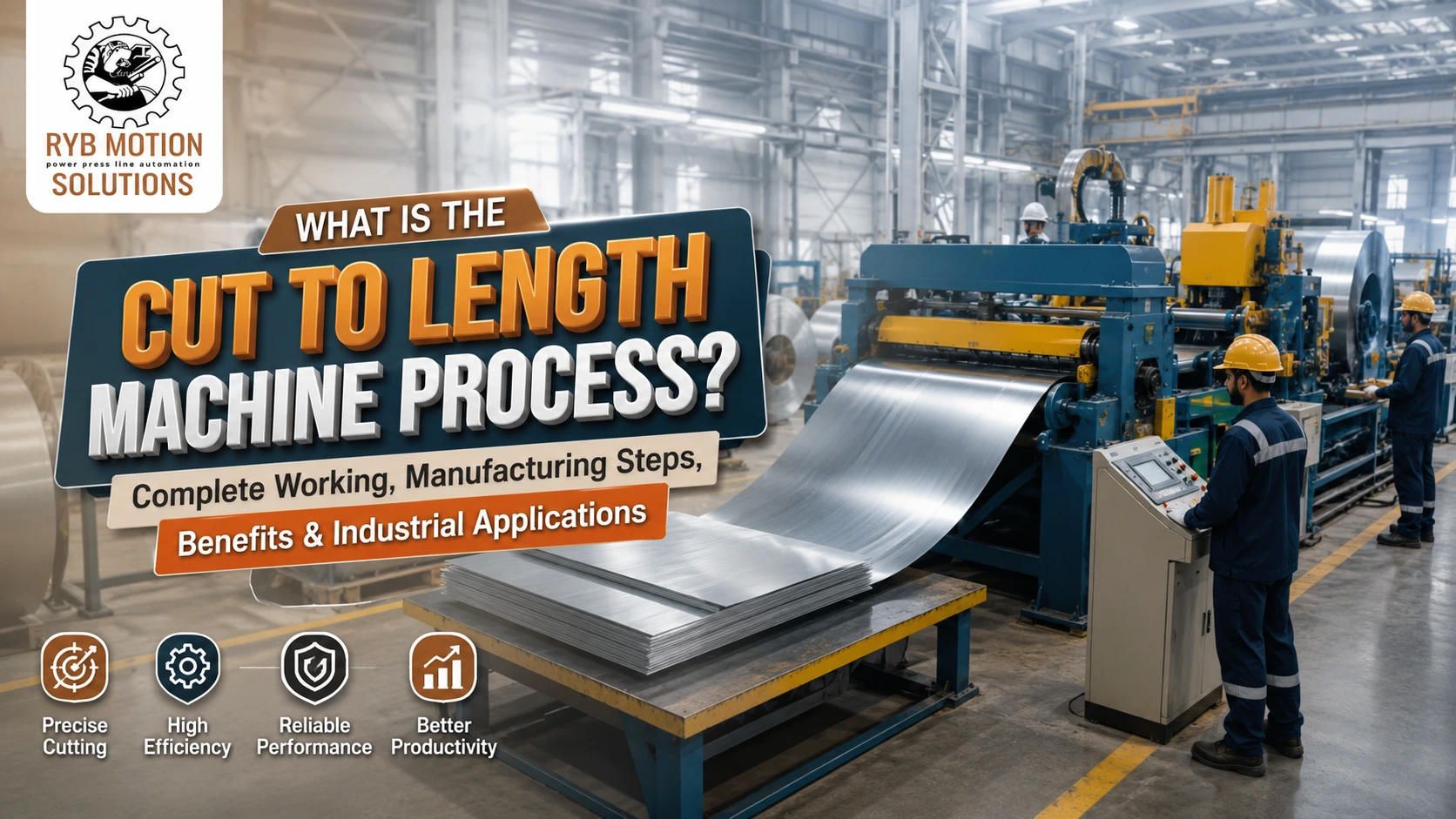
Introduction to Cut to Length Machine
In the highly competitive metal manufacturing industry, even the slightest difference in length, irregular edges, and delays during production processes can cause wastage of materials, increased costs, and unsatisfied customers. This is the main reason why companies look for ways to ensure precision, quality, and efficiency of production without losing any of these characteristics. And this is exactly when a cut to length machine becomes indispensable in the world of today metal processing.
No matter whether your company belongs to the category of steel service centers, automotive manufacturers, construction suppliers, or fabricators, choosing the right cut to length line is not only about accelerating production processes. Choosing a suitable machine means minimizing the losses, maximizing the accuracy, and making sure that each product will precisely correspond to the customer’s requirements. In today’s business environment, people are looking not for equipment but for the solution to their production problems.
At RYB Motion Solution, we recognize that each manufacturing facility has its own production objectives. In contrast to other manufacturers who provide only equipment, our company helps industries comprehend all aspects of using CTL machine in production processes.
Cut to Length Machine
Understanding the Cut to Length Machine
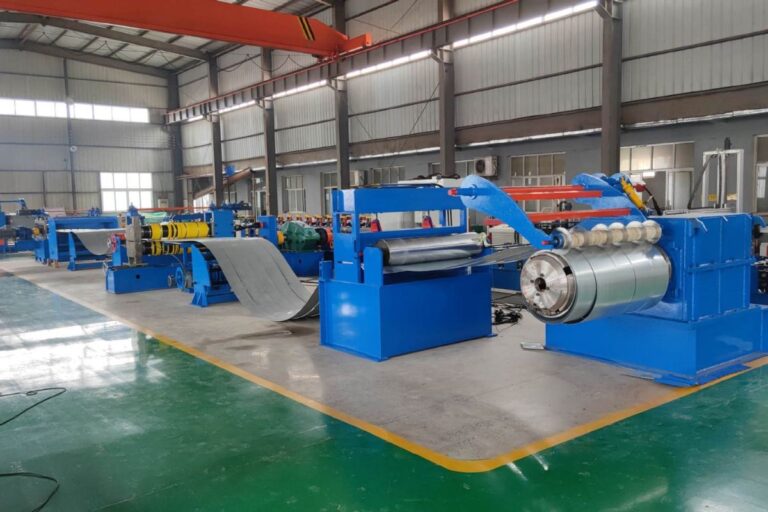
A cut to length machine is a highly sophisticated industrial piece of equipment used in converting metal coils into flat sheets that are accurately sized. It is used to unwind a metal coil, straighten the coil to eliminate the coil memory effect, measure the necessary length, and precisely cut the metal sheet.
The resulting sheets are stacked automatically for efficient handling. Unlike manual processes that may result in inaccurate sizes of metal sheets and wastage of metal materials, a modern cut to length line provides the entire automation process with very accurate dimensions regardless of the type of metal coils being processed. This machine can be used to process galvanized steel, stainless steel, aluminum, cold rolled steel, hot rolled steel, copper, among others.
The greatest advantage of a CTL machine is its ability to produce uniformly sized sheets efficiently in a continuous high production volume.
Why Modern Industries Depend on Cut to Length MachineTechnology
Manufacturing standards continue to become more demanding. Customers expect precise dimensions, perfect edges, faster delivery, and consistent product quality. Traditional cutting methods often struggle to meet these expectations because manual processes increase the possibility of human error, inconsistent measurements, and production delays.
A modern cut to length machine addresses these challenges by automating the entire workflow from coil feeding to sheet stacking. This not only improves production speed but also significantly reduces scrap generation and operational costs.
Industries choose automated cut to length systems because they provide:
- Highly accurate sheet dimensions
- Smooth and burr-free cutting
- Better production consistency
- Reduced raw material wastage
- Faster manufacturing cycles
- Lower labor dependency
- Improved workplace safety
- Higher overall productivity
These advantages make CTL systems one of the most valuable investments for metal processing industries worldwide.
Complete Working Process of a Cut to Length Machine
Understanding the working process helps manufacturers evaluate whether a cut to length line fits their production requirements. Although different industries may use customized configurations, the overall workflow remains largely the same.
Step 1: Loading the Metal Coil
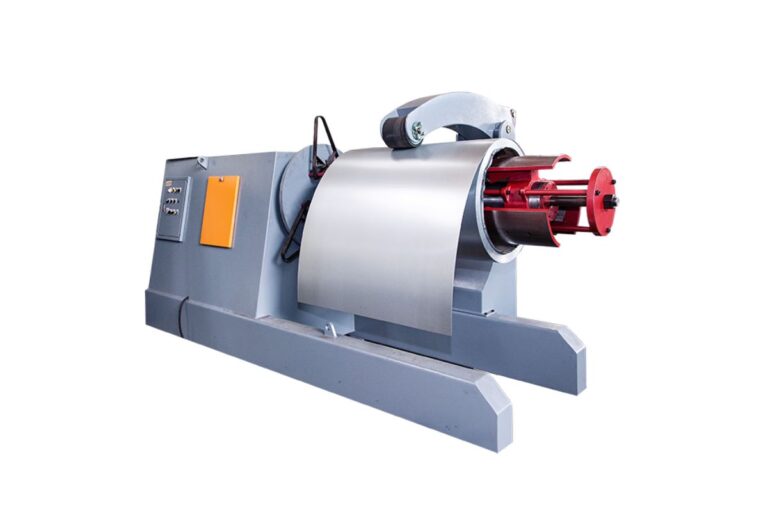
The process begins by placing a heavy metal coil onto the hydraulic decoiler or uncoiler. This unit securely holds the coil and allows controlled unwinding throughout the production cycle.
Modern decoilers maintain consistent feeding tension, preventing sudden coil movements that could damage the material or interrupt production.
Step 2: Coil Feeding and Guiding
Once the coil starts unwinding, guide rollers ensure that the strip enters the production line in perfect alignment.
Proper guiding is extremely important because even a slight deviation can affect cutting accuracy, sheet dimensions, and overall product quality.
Advanced guiding systems automatically correct alignment to maintain continuous precision throughout the process.
Step 3: Straightening the Material
Metal coils naturally develop curvature during storage and transportation. Before cutting, this coil memory must be removed.
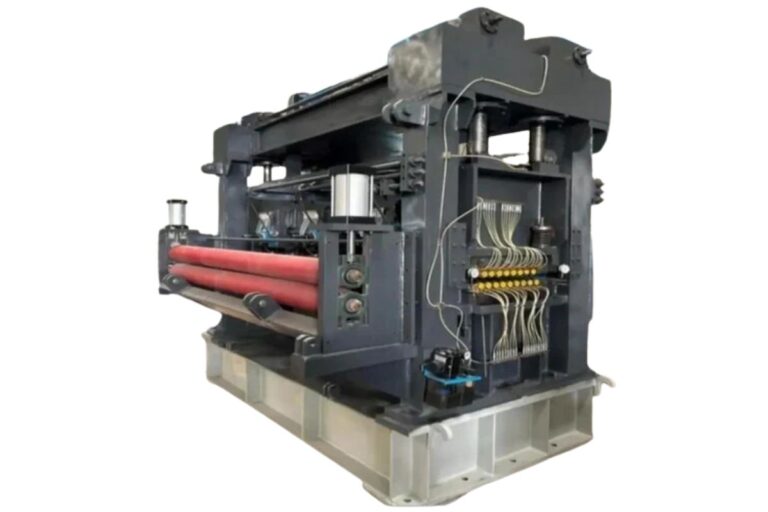
The strip passes through a precision straightening machine containing multiple leveling rollers. These rollers gradually remove bends, waves, and internal stress while producing a perfectly flat sheet.
This stage is especially important for industries where flatness directly affects welding, laser cutting, fabrication, or stamping quality.
Step 4: Precision Length Measurement
After straightening, the strip moves through an electronic measuring system.
High-precision encoder rollers continuously monitor the exact travel distance of the material. The machine control system calculates the required sheet length with remarkable accuracy before initiating the cutting process.
Modern CTL machine control systems can achieve extremely tight dimensional tolerances even during high-speed production.
Step 5: High-Accuracy Cutting
Once the programmed length is reached, the cutting unit activates automatically.
Depending on production requirements, different cutting mechanisms may be used, including hydraulic shearing systems, flying shear systems, or servo-controlled cutting technology.
The cutting operation is designed to produce:
- Clean edges
- Burr-free surfaces
- Consistent dimensions
- Minimal deformation
- High repeatability
This ensures every sheet is ready for downstream manufacturing without requiring additional trimming.
Step 6: Automatic Sheet Stacking
After cutting, finished sheets move onto an automated stacking system.
Instead of manual handling, the sheets are collected neatly into organized bundles. This improves production efficiency while reducing handling damage and labor requirements.
Automated stacking also simplifies packaging, transportation, and inventory management.
Manufacturing Steps Behind a Cut to Length Machine
Although the production process appears simple from the outside, every cut to length machine is built using carefully engineered systems designed for continuous industrial performance.
Structural Frame Manufacturing
The machine frame is manufactured using heavy-duty fabricated steel structures capable of handling continuous industrial loads with excellent vibration resistance.
A rigid frame helps maintain cutting accuracy even during high-speed production.
Precision Roller Manufacturing
Straightening rollers are manufactured using premium alloy steel and undergo precision machining followed by heat treatment.
This improves hardness, wear resistance, and long-term dimensional stability.
Hydraulic System Integration
Hydraulic power units operate multiple sections of the cut to length line, including the decoiler, shearing unit, and various automation components.
Proper hydraulic design ensures smooth operation while minimizing maintenance requirements.
Electrical and Automation Assembly
Modern CTL systems integrate PLC controls, servo motors, industrial sensors, touch-screen HMIs, encoder feedback systems, and intelligent safety mechanisms.
Automation enables operators to control sheet length, production speed, cutting sequence, and machine diagnostics from a centralized interface.
Quality Inspection
Before installation, manufacturers perform detailed testing on every major assembly.
Common inspections include:
- Roller alignment
- Cutting accuracy
- Hydraulic pressure testing
- Automation response
- Encoder calibration
- Safety system verification
- Electrical inspection
- Trial production runs
Comprehensive testing helps ensure reliable performance once the machine enters industrial production.
Main Components of a Cut to Length Line
Every cut to length line consists of several integrated systems that work together to achieve accurate and efficient metal processing.
Hydraulic Decoiler
The decoiler safely holds the metal coil and allows controlled unwinding throughout production while maintaining consistent strip tension.
Entry Guide System
Guide rollers align the strip before it enters the leveling section, preventing edge deviation and ensuring accurate feeding.
Precision Leveling Unit
Multiple precision rollers remove coil memory, improve flatness, and eliminate internal stress before cutting.
Servo Feeding System
The feeding mechanism controls strip movement with exceptional positional accuracy while maintaining continuous production speed.
Length Measuring Encoder
Electronic measuring systems continuously monitor strip movement to ensure every sheet reaches the programmed length.
Hydraulic Shearing System
The shearing unit performs high-speed cutting with excellent dimensional accuracy and clean edges.
Automatic Stacker
Finished sheets are collected into organized stacks without damaging the material surface.
PLC Control Panel
The PLC-based control system allows operators to monitor production, adjust settings, diagnose faults, and optimize machine performance through an intuitive interface.
Types of Cut to Length Machines
Different industries require different production capacities, material thicknesses, and automation levels. As a result, manufacturers use several types of cut to length machine configurations depending on their operational needs.
Light Gauge Cut to Length Machine
Designed for processing thinner metal coils with high production speed, these machines are commonly used in appliance manufacturing, furniture production, HVAC components, electrical panels, and precision fabrication.
Medium Gauge Cut to Length Line
These systems are suitable for industries handling medium-thickness steel and aluminum coils. They provide an excellent balance between production speed, cutting accuracy, and operational flexibility.
Heavy Gauge CTL Machine
Heavy-duty CTL machines are built to process thick steel plates and heavy metal coils used in shipbuilding, railway manufacturing, heavy engineering, infrastructure projects, pressure vessel fabrication, and industrial equipment manufacturing.
High-Speed Servo Cut to Length Machine
Servo-driven systems offer exceptional precision, rapid production cycles, and intelligent automation. They are widely used where tight dimensional tolerances and high productivity are essential, such as automotive, aerospace, and precision engineering industries.
Benefits of Using a Cut to Length Machine
Investing in a modern cut to length machine is not simply about replacing manual operations with automation. It is about creating a manufacturing process that delivers consistent quality, improves productivity, and reduces long-term operational costs. Businesses that adopt advanced cut to length technology often experience measurable improvements across their entire production line.
Exceptional Cutting Accuracy
Every customer expects sheets with precise dimensions. Even a small variation can affect fabrication, welding, bending, or assembly processes. A modern CTL machine uses servo-controlled feeding and precision measurement systems to ensure every sheet is cut to the programmed length with excellent repeatability.
Significant Material Savings
Material costs represent one of the largest expenses in metal processing industries. Accurate cutting minimizes offcuts, reduces scrap generation, and maximizes coil utilization. Over time, this leads to substantial cost savings and improved profitability.
Higher Production Efficiency
Manual cutting operations require continuous operator involvement and consume valuable production time. A fully automated cut to length line performs coil feeding, leveling, measuring, cutting, and stacking in one continuous process, allowing manufacturers to complete more orders within shorter production cycles.
Consistent Product Quality
Customers value consistency just as much as accuracy. Automated cutting systems ensure that every sheet maintains the same dimensions, flatness, and edge quality from the first sheet to the last, helping manufacturers build stronger customer trust.
Reduced Labor Dependency
Automation simplifies production by reducing manual handling and repetitive tasks. Operators can focus on monitoring machine performance instead of performing physically demanding cutting operations, improving workplace efficiency and safety.
Improved Workplace Safety
Handling heavy metal coils manually increases the risk of workplace injuries. Modern CTL systems integrate hydraulic handling, automated feeding, and advanced safety controls that create a safer working environment for machine operators.
Industrial Applications of Cut to Length Machines
The versatility of a cut to length machine makes it an essential solution across numerous industries where precision sheet processing is required.
Some of the major industries include:
- Steel Service Centers
- Automotive Manufacturing
- Construction and Infrastructure
- Electrical Panel Manufacturing
- HVAC Equipment Production
- Roofing Sheet Manufacturing
- Furniture Manufacturing
- Elevator Manufacturing
- Railway Components
- Agricultural Equipment
- Industrial Fabrication
- Solar Structure Manufacturing
- Heavy Engineering
- Shipbuilding Industry
- Appliance Manufacturing
Each of these industries depends on accurately cut sheets that meet strict dimensional standards while supporting efficient downstream manufacturing processes.
Technical Specification Table of a Cut to Length Machine
The specifications of a cut to length line may vary depending on production requirements. The table below provides a general overview of commonly available industrial configurations.
| Specification | As per industrial requirements |
|---|---|
| Machine Type | Automatic Cut to Length Machine |
| Material Compatibility | CR, HR, GI, Stainless Steel, Aluminum, Copper |
| Coil Width | 300 mm – 2000 mm |
| Material Thickness | 0.2 mm – 12 mm (Customizable) |
| Coil Weight Capacity | Up to 30 Tons |
| Cutting Accuracy | ±0.2 mm to ±0.5 mm |
| Maximum Line Speed | Up to 120 m/min |
| Feeding System | Servo Controlled |
| Straightening Rollers | High Precision Alloy Steel |
| Cutting System | Hydraulic / Flying Shear |
| Control System | PLC with Touch Screen HMI |
| Length Setting | Fully Programmable |
| Stacking System | Automatic Sheet Stacker |
| Power Supply | As Per Industrial Requirement |
| Safety Features | Emergency Stop, Safety Sensors, Guard Protection |
Specifications can be customized according to production capacity, coil size, and application requirements.
Common Production Challenges and Their Practical Solutions
Many manufacturers assume that production problems are caused by poor-quality raw materials. In reality, several issues originate from outdated equipment or improper machine configuration. Understanding these challenges helps businesses improve efficiency without unnecessary expenses.
Problem: Uneven Sheet Length
Inconsistent sheet dimensions often result from inaccurate feeding systems or worn measuring components.
Solution:
Use servo-driven feeding mechanisms with high-precision encoder measurement systems and perform regular calibration.
Problem: Poor Sheet Flatness
Coil memory causes sheets to remain curved after cutting, making them difficult to process further.
Solution:
A precision leveling unit removes internal stress and delivers consistently flat sheets suitable for fabrication and welding.
Problem: Excessive Material Scrap
Improper length control and inaccurate cutting lead to unnecessary material waste.
Solution:
Automated programming, accurate measuring systems, and optimized nesting significantly reduce scrap generation.
Problem: Burr Formation on Sheet Edges
Blunt cutting blades or incorrect shear settings can create rough edges that require additional finishing.
Solution:
Maintain sharp blades, inspect cutting clearance regularly, and follow recommended maintenance schedules.
Problem: Low Production Speed
Frequent stoppages and manual material handling reduce manufacturing efficiency.
Solution:
Fully automated cut to length line systems integrate feeding, cutting, and stacking into one continuous production process.
Maintenance Tips for Long-Term Performance
Even the most advanced CTL machine requires proper maintenance to deliver consistent performance over many years. Preventive maintenance not only extends machine life but also minimizes unexpected downtime and repair costs.
Some important maintenance practices include:
- Inspect leveling rollers regularly.
- Lubricate moving components according to schedule.
- Keep encoder wheels clean and properly aligned.
- Monitor hydraulic oil quality and pressure.
- Check electrical connections periodically.
- Calibrate measuring systems at recommended intervals.
- Replace worn cutting blades before edge quality deteriorates.
- Maintain a clean production environment to prevent dust accumulation.
A disciplined maintenance program helps ensure reliable production, consistent accuracy, and reduced operational interruptions.
How to Choose the Right Cut to Length Machine
Selecting the right cut to length machine requires more than comparing technical specifications. Every manufacturing facility has unique production goals, material types, and future expansion plans.
Before investing, consider the following factors:
- Material thickness range
- Coil width requirements
- Monthly production volume
- Desired cutting accuracy
- Automation level
- Future production scalability
- Energy efficiency
- Service and technical support
- Availability of spare parts
- Ease of operation and maintenance
Choosing equipment based on long-term operational needs rather than initial purchase price often delivers better returns over the machine’s lifetime.
Why Industries Trust RYB Motion Solution
At RYB Motion Solution, we start our successful manufacturing process by analyzing the customer’s problems, rather than selling them equipment only. All manufacturing plants have their own peculiarities, including the materials used in the production process, goals, and the expected quality of the final products.
Our goal is to find out the optimal cut to length line for each client depending on the manufacturing needs of their company. We help our clients make production more efficient, save materials, and get the best results possible in terms of product quality.
Our efforts include the use of engineering solutions, automation technologies, and our technical assistance. We want to provide our clients with solutions that will bring them benefits for a long time.
Conclusion
A modern cut to length machine has been considered a vital component in the metal processing industry in today’s times. From efficient and accurate coil feeding and precise levelling to speedy cutting and automatic stacking, every step involved in the process is done in such a manner as to increase productivity and ensure high-quality products.
Having knowledge about the entire cut to length process helps manufacturers to make wise investments that help reduce wastage of materials, increase efficiency, and improve customer satisfaction levels. Depending upon the application, whether automotive, construction, electrical, or heavy engineering, having the right CTL machine can improve the manufacturing process.
Unlike traditional practices where automation is considered to be an expense, smart manufacturers consider it to be an intelligent investment towards quality, efficiency, and business growth. With the use of appropriate technology and expert advice from RYB Motion Solution, businesses can create their manufacturing system.
Frequently Asked Questions
1. What is a cut to length machine?
A cut to length machine is an automated industrial system that unwinds metal coils, straightens the material, measures the required length, cuts it accurately into sheets, and stacks the finished products for further manufacturing processes.
2. What materials can be processed using a cut to length line?
A cut to length line can process a wide range of materials, including stainless steel, galvanized steel, aluminum, cold rolled steel, hot rolled steel, copper, and other metal coils, depending on the machine’s design and specifications.
3. What are the main advantages of using a CTL machine?
A CTL machine offers precise cutting, reduced material wastage, improved sheet flatness, faster production, consistent quality, lower labor requirements, enhanced workplace safety, and better overall manufacturing efficiency.
4. Which industries commonly use cut to length machines?
Industries such as automotive, construction, electrical equipment, steel service centers, furniture manufacturing, HVAC, shipbuilding, railway, heavy engineering, and appliance manufacturing widely use cut to length systems for precision sheet production.
5. How do I choose the right cut to length machine?
The right machine depends on several factors, including material thickness, coil width, production volume, required accuracy, automation level, available factory space, and future expansion plans. Consulting an experienced manufacturer can help identify the most suitable solution.
6. Why is regular maintenance important for a cut to length line?
Routine maintenance helps maintain cutting accuracy, extend machine life, reduce unexpected downtime, improve production efficiency, and ensure consistent performance over long-term industrial operations.