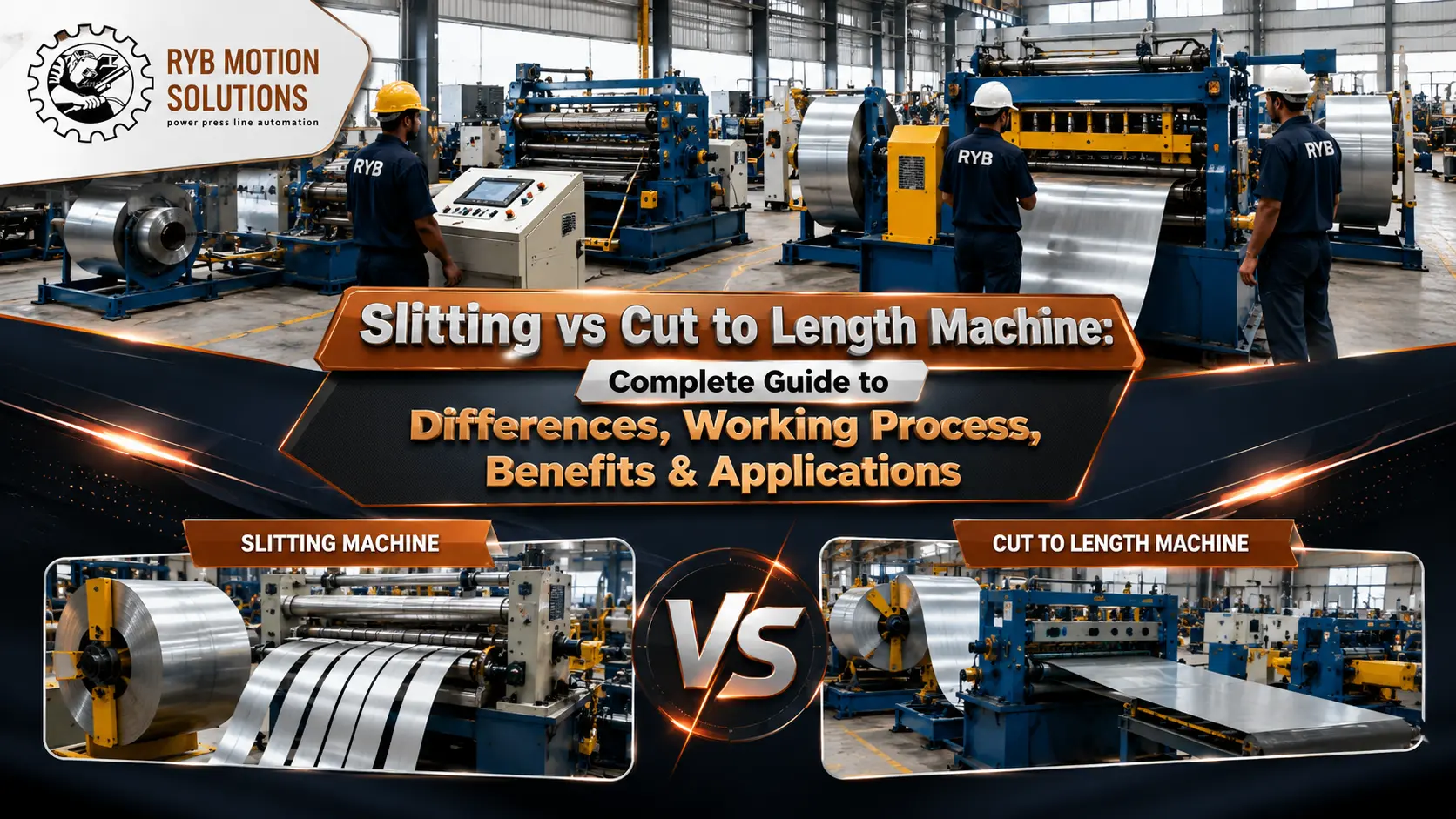
Today’s modern metal coil processing industry cannot afford to disregard high levels of precision, speed, and effective material utilization. No matter what products you produce—be it automotive parts, electrical panel sheets, roof sheets, domestic appliances, or industrial equipment—the key point in all these production processes is accurate processing of metal coils. Incorrect selection of the process may lead to significant waste of material resources, lower quality of produced goods, increased production costs, and unplanned machine stoppages. In RYB Motion Solution, we consider preliminary study of the correct technology to be the main step towards successful development of your manufacturing process.
Many businesses face a problem of selecting the type of processing technology—whether to buy a cut to length machine or to purchase a slitting line, as they both process metal coils but have their own application areas. This decision should be based not only on the machine price, but also on other factors including production objectives and needs of your company in the future. This guide has been written for manufacturers, engineers, production managers, and businessmen.
Why Choosing the Right Coil Processing Machine Matters
Productivity maximization and waste minimization are common goals for all metal fabrication companies. Nevertheless, this task will be hard to achieve when incorrect processing machines are selected. Incorrect sheet cutting leads to the appearance of inaccurate sheet sizes, damage of coil edges, waste generation, and longer production cycles.
Modern enterprises need machines that ensure accuracy, repeatable performance, and fast speed without affecting the quality of products. The right selection of a processing machine will not only increase the efficiency of manufacturing but will also decrease its cost and will ensure a high quality of products in every production run.
In order to select the correct machine, businesses should know their production needs rather than look at technical data of machines only.
Understanding Coil Processing Technology
Steel, aluminum, stainless steel, galvanized steel, copper, and other metal coils cannot usually be used directly in manufacturing. Before these materials become finished products, they must be processed into specific widths or lengths depending on production requirements.
This processing is generally performed using two major systems:
- Slitting Lines
- Cut to Length Lines
Although both begin with metal coils, their objectives are completely different. One divides the coil into narrower strips, while the other converts the coil into flat sheets of accurate lengths.
Understanding this distinction helps manufacturers avoid investing in equipment that may not align with their production needs.
What is Slitting?
The most frequently asked question in metal processing is “What is slitting?”
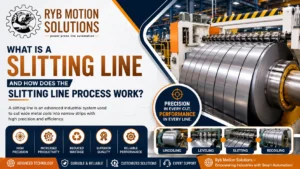
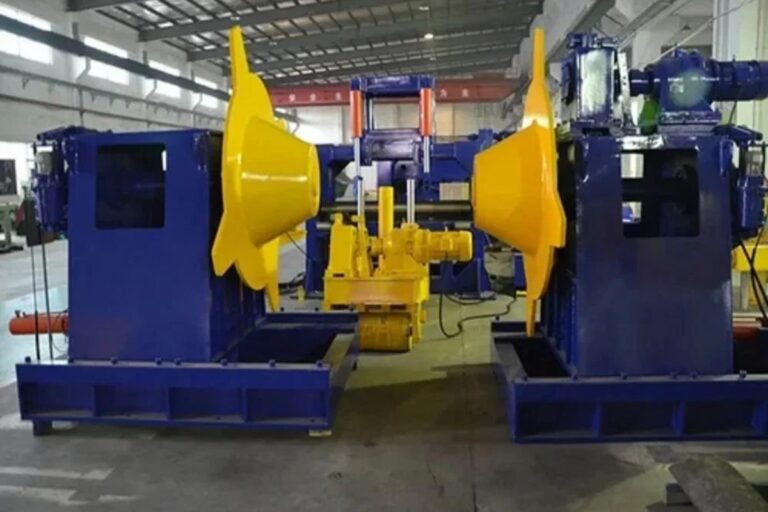
Slitting is a metal manufacturing process where the wide metal coil is slit in the longitudinal direction into several narrow strips using rotary precision circular blades. Instead of slitting the coil into a cross pattern, the slitting process involves slitting the metal coil along the width as it continues to move within the machine.
The narrow metal coils are wound separately to be used in roll forming, tube making, cable trays, automotive products, electrical panels, furniture making, and precision engineering processes.
Slitting is preferred as it helps manufacturers get several usable coil widths from one parent coil.
Slitting Meaning
The slitting meaning refers to the longitudinal cutting of metal coils into smaller widths without changing the overall length of the material.
Unlike conventional cutting methods that separate material into sheets, slitting focuses on width reduction. This makes it ideal for industries requiring multiple strip sizes from a single coil.
Because of its high accuracy and continuous processing capability, slitting has become one of the most important operations in modern metalworking industries.
What is a Cut to Length Machine?
A cut to length machine is designed to convert large metal coils into flat sheets of predetermined lengths with exceptional accuracy. Instead of producing narrow strips, the machine unwinds the coil, levels the material to remove coil memory, measures the required length, and cuts each sheet precisely according to production requirements.
These machines are widely used in industries manufacturing electrical panels, roofing sheets, appliance components, automotive parts, elevators, furniture, construction materials, and industrial equipment.
A high-quality cut-to-length system ensures consistent sheet dimensions, improved flatness, reduced manual handling, and higher production efficiency.
Understanding the Cut to Length Line
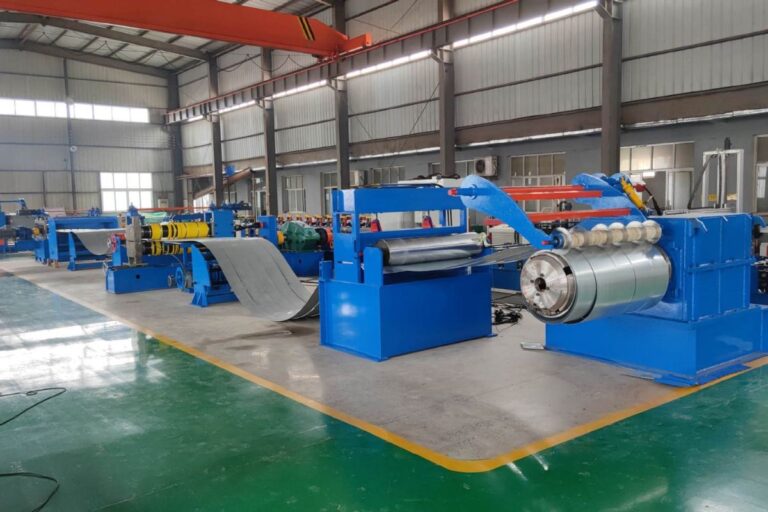
A cut to length line is a complete automated production system consisting of several integrated machines working together to transform metal coils into finished sheets.
The process generally includes:
- Coil Loading
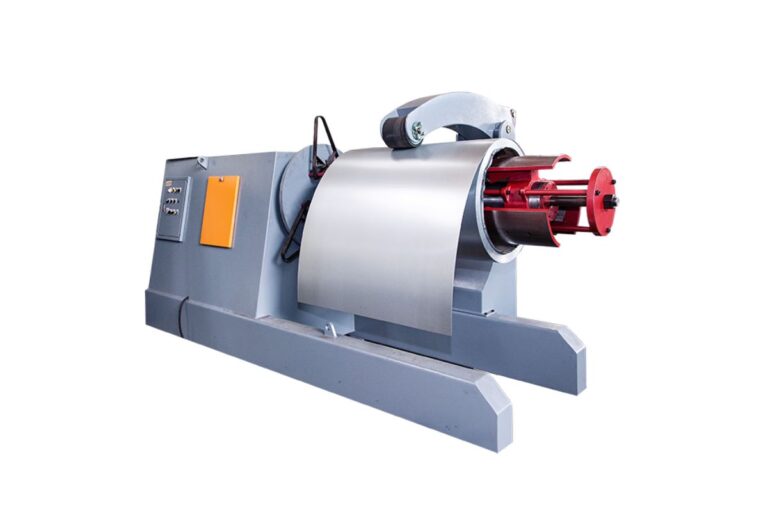
- Decoiling
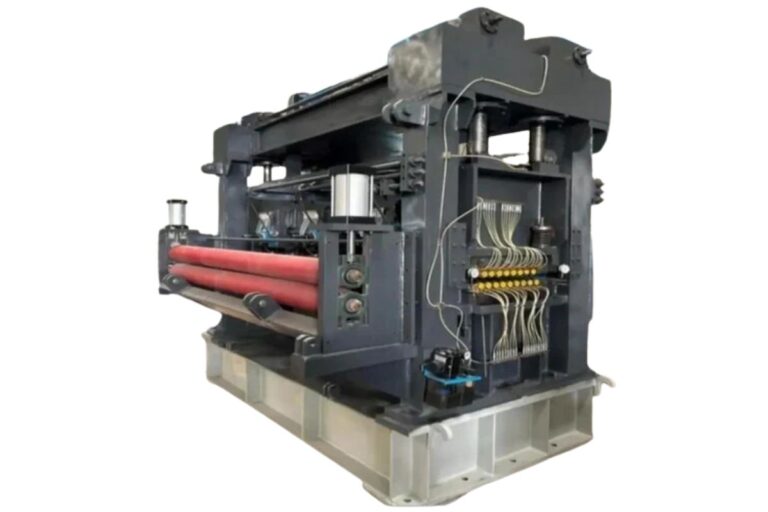
- Straightening or Leveling
- Servo Feeding
- Precision Length Measurement
- Hydraulic or Flying Shear Cutting
- Sheet Stacking
Because each stage is synchronized automatically, manufacturers achieve higher accuracy, lower rejection rates, and consistent production quality.
Modern cut to length lines are capable of processing various materials including mild steel, stainless steel, aluminum, galvanized steel, and color-coated coils.
How a CTL Machine Works
A CTL machine follows a carefully controlled production sequence that ensures precision at every stage.
The operation begins by placing the metal coil onto the decoiler. The material then passes through a straightening unit where coil curvature is removed. After leveling, servo rollers feed the material at a controlled speed while an automatic measuring system determines the exact sheet length.
Once the programmed length is reached, the hydraulic shear cuts the sheet accurately without damaging the material edges. Finally, finished sheets are stacked automatically for easy handling and further processing.
This automated workflow minimizes human error, improves productivity, and ensures consistent dimensional accuracy throughout the production cycle.
Different Machine Types Used in Metal Coil Processing
Selecting the right machine types depends entirely on production requirements. Every manufacturing industry has unique processing needs, and understanding available options helps businesses make better investment decisions.
Common machine types include:
- Cut to Length Machine
- Slitting Line Machine
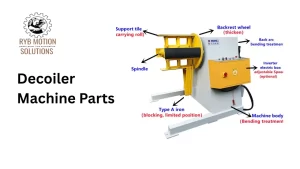
- Decoiler Machine
- Coil Straightener
- Precision Leveler
- Hydraulic Shearing Machine
- Recoiler Machine
- Coil Feeding Machine
- Servo Feeding System
- Automatic Sheet Stacker
Each machine performs a specific role within the production line, and together they contribute to efficient metal coil processing.
Metal Shop Machines Used in Manufacturing
Modern metal shop machines play a critical role in transforming raw metal into high-quality finished products. These machines improve productivity, reduce manual effort, and ensure consistent manufacturing accuracy.
Industries commonly use laser cutting machines, press brakes, power presses, slitting lines, cut-to-length machines, decoilers, leveling machines, CNC machining centers, hydraulic shears, and welding systems.
Selecting the appropriate equipment depends on production volume, material type, product specifications, and future expansion plans.
Importance of Metal Working Machines
Reliable metal working machines form the backbone of every manufacturing facility. They enable businesses to produce components with greater precision while maintaining consistent quality standards.
Advanced automation, servo control systems, and intelligent monitoring technologies have significantly improved machine performance over the years. These innovations reduce material waste, shorten production cycles, and improve overall operational efficiency.
For manufacturers aiming to remain competitive, investing in high-quality metalworking equipment is often a strategic decision rather than just a capital expense.
Why Metalworking Machines Matter
Today’s metalworking machines are designed not only for speed but also for precision, flexibility, and long-term reliability. Whether processing thin aluminum coils or heavy-gauge steel, modern equipment delivers accurate dimensions with minimal operator intervention.
Businesses that choose suitable metalworking machinery often experience lower rejection rates, better product consistency, reduced maintenance costs, and improved customer satisfaction. At Ryb Motion Solutions, we encourage manufacturers to evaluate their production goals carefully before selecting equipment so they invest in solutions that support sustainable business growth.
Technical Specification Table
| Specification | Standard Details |
|---|---|
| Machine Type | Cut to Length Line / Slitting Line |
| Material | Mild Steel, Stainless Steel, GI, CR, HR, Aluminum |
| Coil Width | 300–2000 mm (Customizable) |
| Coil Thickness | 0.20–12 mm |
| Coil Weight | Up to 35 Tons |
| Processing Speed | Up to 120 m/min |
| Cutting Accuracy | ±0.2 mm |
| Drive System | Servo Controlled |
| Cutting System | Hydraulic / Flying Shear |
| Leveling Unit | Multi-Roller Precision Leveler |
| Control System | PLC with Touch Screen HMI |
| Automation | Fully Automatic |
| Power Supply | 415V, 3 Phase |
| Applications | Automotive, Roofing, Appliances, Construction, Electrical Panels, Engineering |
| Optional Features | Auto Stacker, Edge Trimming, Scrap Winder, Remote Monitoring |
Slitting vs Cut to Length Machine: Understanding the Key Differences
Although both machines process metal coils, they serve completely different manufacturing purposes. Choosing the wrong system can lead to higher production costs, unnecessary material waste, and reduced operational efficiency.
A slitting line is designed to divide a wide metal coil into multiple narrower coils. It is the ideal solution when manufacturers require different strip widths for products such as cable trays, tubes, electrical panels, furniture, automotive parts, or roll forming applications.
A cut to length machine, on the other hand, converts the metal coil into flat sheets of precise lengths. Instead of reducing width, it cuts the material into accurately measured sheets ready for fabrication, stamping, bending, laser cutting, or assembly.
Understanding this difference helps businesses invest in equipment that matches their production process rather than purchasing a machine that only partially meets their requirements.
Comparison Between Slitting and Cut to Length Machine
| Feature | Slitting Line | Cut to Length Machine |
|---|---|---|
| Main Function | Cuts coil into narrow strips | Cuts coil into flat sheets |
| Output | Narrow coils | Flat sheets |
| Cutting Direction | Longitudinal | Cross Cutting |
| Material Form | Coil to Coil | Coil to Sheet |
| Best For | Strip Manufacturing | Sheet Manufacturing |
| Accuracy | High Width Accuracy | High Length Accuracy |
| Industries | Tube, Roll Forming, Automotive | Roofing, Electrical Panels, Appliances |
| Material Waste | Very Low | Very Low |
| Automation | Fully Automatic | Fully Automatic |
| Productivity | High-Speed Continuous Production | High-Speed Sheet Processing |
Benefits of a Cut to Length Machine
A modern cut to length machine offers far more than accurate sheet cutting. It helps manufacturers streamline production, improve material utilization, and reduce overall operating costs.
Some of the major benefits include:
- High precision sheet length accuracy.
- Smooth and burr-free cutting.
- Better material flatness through precision leveling.
- Reduced manual handling.
- Lower material wastage.
- Faster production cycles.
- Consistent product quality.
- Easy integration with automated production lines.
- Improved workplace safety.
- Long-term operational reliability.
Instead of focusing only on production speed, businesses should also consider how consistent sheet quality directly affects downstream manufacturing processes.
Benefits of Slitting Lines
For industries requiring multiple strip widths from one parent coil, slitting provides exceptional manufacturing flexibility.
Major advantages include:
- Maximum utilization of metal coils.
- Reduced production waste.
- Multiple strip widths from a single coil.
- High-speed continuous processing.
- Excellent edge quality.
- Lower production costs.
- Improved inventory management.
- Better compatibility with roll forming and tube manufacturing.
Because slitting improves raw material utilization, it often becomes one of the most profitable investments for coil processing facilities.
Industrial Applications
Both technologies are widely used across numerous industries because different manufacturers require different output formats.
Industries Using Cut to Length Machines
Cut to length systems are commonly installed in:
- Electrical panel manufacturing
- Elevator manufacturing
- Roofing sheet production
- HVAC equipment
- Home appliances
- Automotive components
- Construction materials
- Furniture manufacturing
- Solar mounting structures
- Industrial fabrication units
Industries Using Slitting Lines
Slitting machines are widely used in:
- Steel service centers
- Tube mills
- Cable tray manufacturing
- Roll forming industries
- Automotive suppliers
- Electrical industries
- Precision engineering
- Stainless steel processing
- Aluminum processing plants
- Metal distribution centers
Each application requires different processing capabilities, making equipment selection a critical business decision.
Factors to Consider Before Choosing the Right Machine
Many businesses compare only prices while purchasing industrial machinery. However, selecting the right equipment requires evaluating long-term production goals rather than initial investment alone.
Before purchasing, consider:
- Production volume.
- Coil width requirements.
- Material thickness.
- Finished product type.
- Future expansion plans.
- Automation requirements.
- Required production speed.
- Maintenance support.
- Availability of spare parts.
- Operator training requirements.
A well-planned investment often reduces production costs for many years.
Choosing the Right Cut to Length Machine Manufacturers
Selecting reliable cut to length machine manufacturers is just as important as choosing the machine itself. Even advanced equipment may fail to deliver expected performance if it is poorly designed or lacks technical support.
While evaluating manufacturers, businesses should consider:
- Engineering expertise.
- Customization capabilities.
- Machine quality.
- Automation features.
- Precision standards.
- After-sales support.
- Installation assistance.
- Operator training.
- Spare part availability.
- Long-term service commitment.
At Ryb Motion Solutions, we believe every customer deserves honest technical guidance before making an investment. Understanding production requirements first always leads to better equipment selection than simply comparing prices.
Common Mistakes Businesses Should Avoid
Many manufacturers unintentionally increase production costs because they choose equipment based solely on immediate requirements.
Some common mistakes include:
- Selecting lower machine capacity than future demand.
- Ignoring automation requirements.
- Purchasing without analyzing production flow.
- Underestimating maintenance planning.
- Focusing only on machine price.
- Ignoring material thickness variations.
- Choosing equipment without technical consultation.
Avoiding these mistakes helps manufacturers improve return on investment while maintaining consistent production quality.
Maintenance Tips for Long-Term Performance
Proper maintenance plays an essential role in ensuring reliable machine performance.
Recommended maintenance practices include:
- Inspect cutting blades regularly.
- Lubricate moving components.
- Check hydraulic systems.
- Monitor servo motors.
- Clean leveling rollers.
- Calibrate measuring systems.
- Tighten electrical connections.
- Inspect PLC controls.
- Replace worn components promptly.
- Maintain proper operating records.
Routine maintenance minimizes downtime and extends machine life while ensuring consistent production accuracy.
Why Knowledge Matters More Than Machinery
Buying industrial equipment should never be an emotional decision. The right machine is the one that solves production challenges efficiently while supporting future business growth.
Some manufacturers require perfect strip widths, while others need accurate sheet lengths. Understanding production objectives first allows businesses to select technology that improves productivity instead of creating unnecessary operational complexity.
At RYB Motion Solution, our objective is not simply to discuss machines but to help manufacturers understand the technology behind them. When businesses make informed decisions, they achieve better productivity, improved product quality, reduced waste, and stronger long-term profitability.
Conclusion
Knowing the distinction between a slitting and cut to length machine is crucial for any manufacturing business dealing with metals. Although both these processes start with metal coils, the results they provide are opposite from each other. Slitting is what one needs if narrow coils are desired, while the cut to length line provides accurately sized metal sheets, suitable for further fabrication.
When choosing a CTL machine, it should be taken into consideration not only the price but the specificities of manufacturing processes, materials used, level of automation, and future growth possibilities. The business that chooses the right machinery will gain better efficiency, reduced waste, higher quality products, and reliability. At RYB Motion Solution, we are eager to share useful information and help our customers make the right choices in order to make their manufacturing process safer and more efficient.
Frequently Asked Questions
1. What is the main difference between slitting and a cut to length machine?
Slitting cuts a wide metal coil into multiple narrow coils, while a cut to length machine converts the coil into flat sheets of precise lengths.
2. What is slitting used for?
Slitting is used to manufacture narrow metal strips for applications such as tube mills, roll forming, cable trays, automotive components, electrical panels, and precision engineering products.
3. What industries use cut to length machines?
Cut to length machines are widely used in roofing, construction, elevator manufacturing, electrical panels, home appliances, automotive, furniture, HVAC, and industrial fabrication.
4. What materials can a CTL machine process?
A CTL machine can process mild steel, stainless steel, galvanized steel, aluminum, copper, CR coils, HR coils, and other metal coils depending on machine specifications.
5. How do I choose the right cut to length machine manufacturer?
Choose a manufacturer based on engineering experience, customization capabilities, machine quality, automation level, technical support, spare part availability, and after-sales service rather than price alone.
6. Which machine is better for my business—Slitting or Cut to Length?
The right choice depends on your production output. If you require narrow metal strips, a slitting line is ideal. If your production requires flat sheets with accurate lengths, a cut to length machine is the better solution.