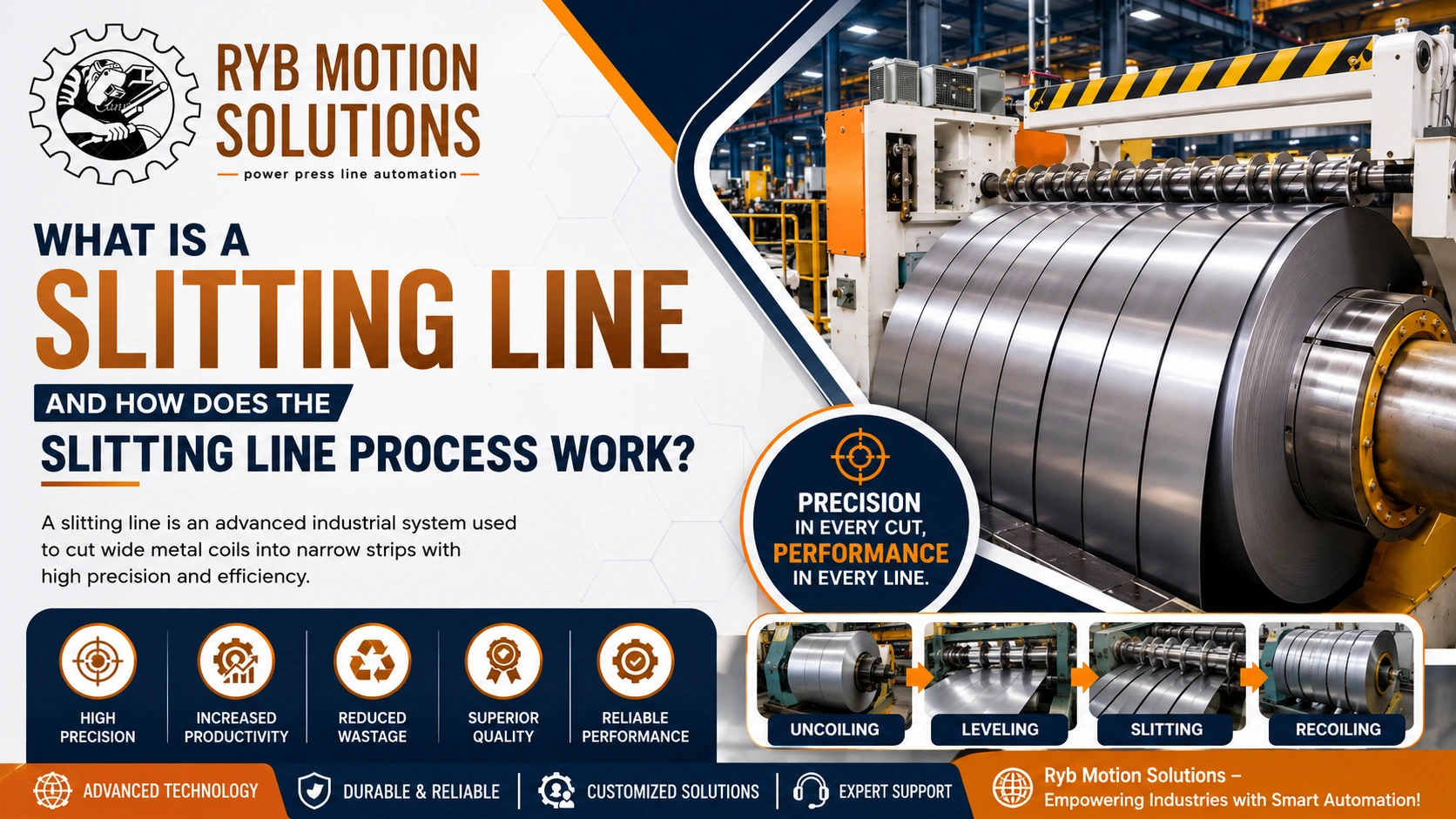
Accuracy and speed form the critical elements of enhancing the efficiency of production in the present-day metal processing industry. Among the key systems used for the precise cutting of coils, one may consider the Slitting Line Process. Various industries like automobile manufacturing, construction, electrical engineering, packaging, and appliance industries depend to a great extent on sophisticated slitting machines for producing narrow coils with exact measurements.
We at Ryb Motion Solutions appreciate the significance of efficient equipment for ensuring the smooth running of industrial operations. Here, our blog post will tell you all about the slitting machine process, principles, parts, benefits, and industrial uses.
What is a Slitting Line?
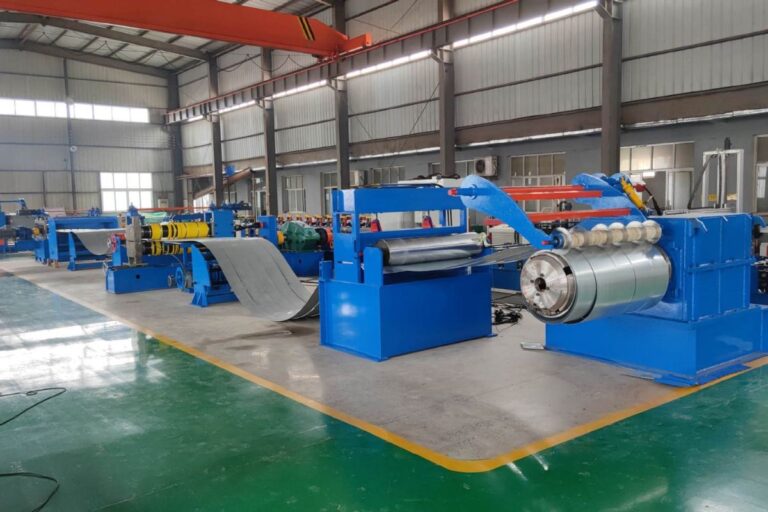
A Slitting Line Process is an industrial machine system designed to cut wide metal coils into multiple narrower coils or strips. The process involves feeding a large metal coil into a series of rotating circular blades that slit the material longitudinally into precise widths.
A metal slitting line is widely used for processing materials such as:
- Stainless Steel
- Mild Steel
- Aluminum
- Copper
- Brass
- Galvanized Steel
The finished narrow strips are recoiled and used in various manufacturing operations. A modern coil Slitting Line Process improves productivity, minimizes material wastage, and delivers highly accurate cuts.
Understanding the Slitting Line Process
The slitting line process is a continuous metal processing operation that transforms large coils into smaller strips according to required sizes. The process is highly automated and ensures consistent cutting quality.
Main Steps in the Slitting Line Process
1. Coil Loading
The Slitting Line Process starts with loading the master metal coil onto the decoiler section. The coil is carefully mounted to ensure proper alignment before processing begins.
2. Uncoiling
The decoiler unwinds the metal coil smoothly and feeds it into the machine. Proper tension control is maintained to avoid material damage.
3. Leveling and Straightening
Before slitting, the material passes through leveling rollers to remove coil set, bends, or surface irregularities. This improves strip quality.
4. Slitting Operation
This is the core stage of the slitting line machine. Circular rotary knives cut the metal coil into multiple strips of desired widths. The accuracy of blade positioning determines the precision of the final strips.
5. Scrap Rewinding
During the cutting process, side trims and scrap edges are collected using scrap winders for clean operation.
6. Recoiling
The slit strips are rewound into smaller coils using a recoiler. Proper tension is maintained to achieve tight and uniform recoiling.
7. Final Inspection
The finished coils are checked for width accuracy, edge quality, and surface finish before dispatch.
Major Components of a Slitting Line Machine
A high-quality slitting line machine consists of several important components that work together for efficient operation.
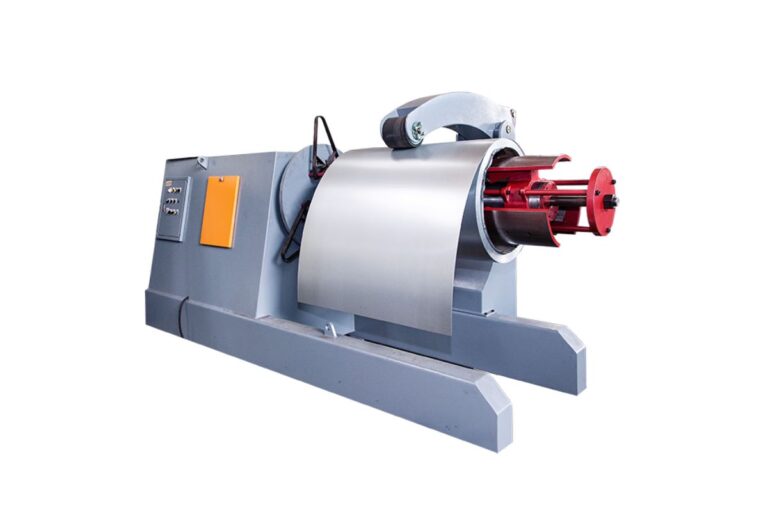
Decoiler
Holds and unwinds the master coil smoothly.
Coil Car
Used for safe loading and positioning of heavy metal coils.
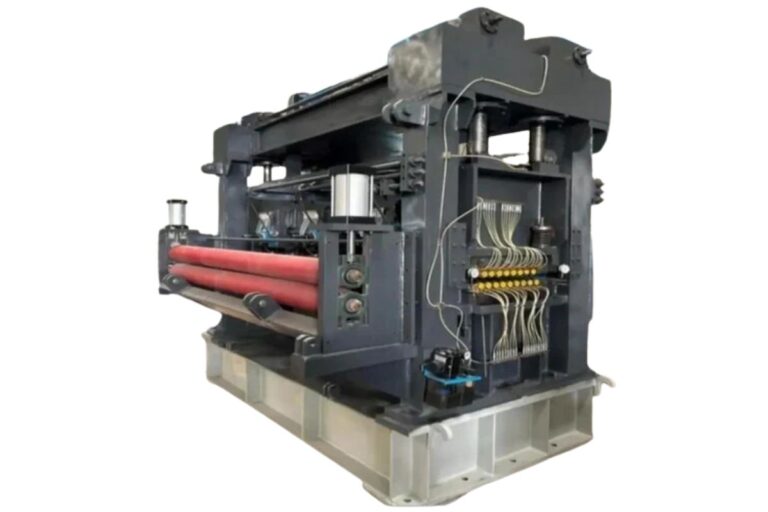
Pinch Roll and Leveler
Ensures smooth feeding and material flattening.
Slitter Head
The heart of the steel slitting machine, equipped with precision rotary blades for accurate cutting.
Scrap Winder
Collects scrap edges generated during slitting.
Tension Stand
Maintains proper strip tension during recoiling.
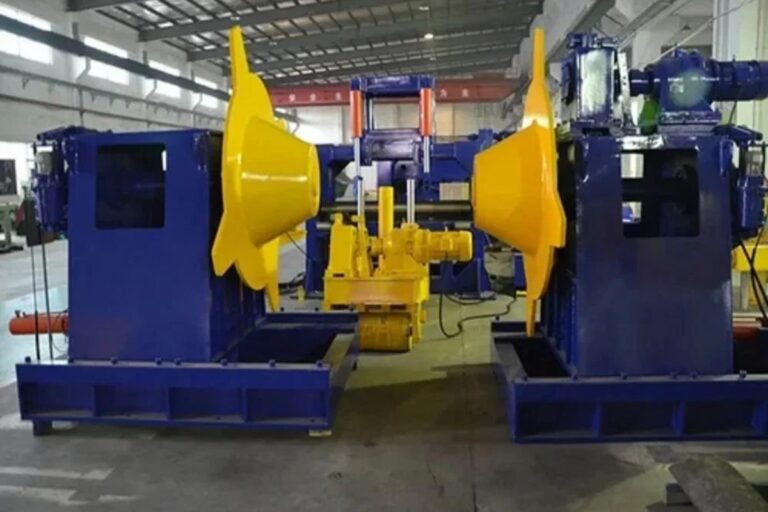
Recoiler
Rewinds slit strips into finished coils.
Modern coil slitting machine systems are designed with advanced automation for improved efficiency and reduced operator involvement.
Types of Slitting Lines
Different industries require different configurations of slitting lines depending on material type and production requirements.
Steel Slitting Line
Used for cutting carbon Slitting Line Process, stainless steel, and galvanized steel coils.
Aluminum Slitting Line
Specially designed for lightweight aluminum coils.
High-Speed Slit Line
Suitable for industries requiring fast production cycles.
Precision Slitting Line
Used where extremely accurate strip widths are required.
Heavy Gauge Slitting Line
Designed for processing thick metal coils.
Each slit line is customized based on production capacity, coil thickness, and strip width requirements.
Benefits of Using a Coil Slitting Line
Investing in a modern coil Slitting Line Process offers several industrial advantages.
High Precision
Advanced blade technology ensures accurate strip widths with minimal tolerance variation.
Faster Production
Automated systems increase production speed and reduce downtime.
Reduced Material Waste
Proper blade alignment minimizes scrap generation.
Better Edge Quality
High-quality steel slitting machine systems provide burr-free edges.
Improved Productivity
Automation reduces manual labor and increases operational efficiency.
Versatile Material Handling
A metal slitting line processes multiple types of metals and thicknesses.
Applications of Slitting Lines
Today, slitting line process technology is used across many industries.
Automotive Industry
Used for preparing metal strips for vehicle components.
Electrical Industry
Produces strips for transformers, panels, and electrical enclosures.
Construction Sector
Processes roofing sheets, structural materials, and cladding components.
Packaging Industry
Manufactures metal strips for containers and packaging products.
Appliance Manufacturing
Used in refrigerators, washing machines, and HVAC systems.
The growing demand for precision metal strips has increased the importance of efficient slitting line machine systems worldwide.
Factors Affecting Steel Coil Slitting Machine Price
The steel coil slitting machine price depends on several important factors.
Machine Capacity
Higher capacity machines generally cost more.
Coil Thickness Range
Machines designed for heavy gauge materials require stronger construction.
Automation Level
Fully automated systems with PLC controls increase pricing.
Production Speed
High-speed machines are more expensive due to advanced engineering.
Blade Quality
Premium cutting blades improve precision and durability.
Material Compatibility
Machines capable of processing multiple metals may have higher costs.
When selecting a steel coil slitting machine, businesses should focus on long-term productivity and reliability rather than only initial cost.
Why Modern Industries Prefer Advanced Steel Slitting Machines
There is a need for faster processing, tolerance levels, and low waste production, among other demands in today’s manufacturing industries. The steel slit machine meets all these requirements while ensuring high-quality products.
Additionally, automation in a coil slitting machine ensures that manufacturing companies make minimal errors and also ensure safety in their places of work. There has been significant improvement through the use of smart control systems, hydraulic loading, blade positioning, and tension control.
How to Choose the Right Slitting Line
Selecting the right slitting line depends on production requirements and material specifications.
Consider Material Type
Choose a machine compatible with stainless steel, aluminum, copper, or galvanized coils.
Evaluate Production Volume
High-production industries should select high-speed systems.
Check Thickness Capacity
Ensure the machine can handle the required material thickness range.
Automation Features
Modern automated controls improve accuracy and reduce manpower.
Maintenance Support
Reliable after-sales support is important for uninterrupted operation.
At Ryb Motion Solutions, we help industries choose efficient and durable coil slitting line systems tailored to their production needs.
Future of Slitting Line Technology
The future of the slitting line process is moving toward smart manufacturing and Industry 4.0 integration. Modern systems now include:
- PLC-based automation
- Real-time monitoring
- Servo-controlled positioning
- AI-based defect detection
- Energy-efficient operations
These advancements are helping manufacturers achieve better precision, lower operational costs, and higher productivity.
Conclusion
The slitting line machine is among the most important machines in the metal processing industry. The slitting line process is crucial to the production process that involves changing the metal coils into strips for use by many companies.
If you want to get an efficient metal slitting line machine, or the best coil slitting machine, or an effective steel slitting machine, then you should make sure you have the best equipment to enhance your production process.
We at Ryb Motion Solutions are here to provide the best industrial solutions to make sure our customers get effective solutions through precision, efficiency, and durability.