The use of sheet metal is very widespread in manufacturing, construction, automotive, aerospace, electronics, and various other industries. From brackets and panels to machine parts, precision sheet metal cutting is at the basis of many products used daily by people across the globe.
In today’s industries, high-quality production, productivity, and accuracy are highly sought after, and hence, cutting techniques have become extremely important. We at RYB Motion Solutions know well that cutting is an integral aspect of manufacturing activities, especially where you deal with stainless steel, aluminum, copper, and carbon steel. Choosing an appropriate technique can help you produce much better results.
In this article, we will discuss all aspects of sheet metal cutting, including the types of cutting processes, required equipment and tools, as well as industry applications.
What is Sheet Metal Cutting?
Sheet metal cutting refers to the act of dividing or creating shapes in the form of a flat piece of metal in order to achieve the desired shapes and sizes. It is the removal of material using various tools and processes in order to achieve exact cuts as per the design requirements.
Sheet metal cutting is utilized by manufacturers in order to manufacture different types of parts, structures, covers, cabinets, automobile body panels, and machinery.
Why Sheet Metal Cutting is Important
Precision cutting directly affects the quality and performance of the final product. Poor cutting practices can result in material wastage, dimensional errors, rough edges, and assembly issues.
Benefits of accurate sheet metal cutting include:
- Improved dimensional accuracy
- Reduced material waste
- Better product quality
- Faster manufacturing cycles
- Enhanced productivity
- Consistent repeatability
- Lower production costs
- Improved assembly performance
Modern fabrication facilities rely on advanced technologies to achieve precise and efficient cutting results.
How to Cut Sheet Metal
Cutting sheet metal is one of the commonly asked questions in manufacturing metal products. The choice of how to cut sheet metal varies according to the type of metal and its thickness.
Sheet metals that have a thin gauge can be cut manually using such tools as snips or shears; whereas thicker gauges may need specialized equipment, such as a laser cutter or a CNC machine.
Some of the considerations when selecting how to cut sheet metal include cutting speed, accuracy of the cutting process, production volume, and edge quality, among others.
How to Cut Metal Sheets into Shapes
Custom profiling, design, and geometry are some of the needs of manufacturers in many situations. Knowledge on how to cut metal sheets into desired forms is a vital requirement in current manufacturing activities.
Through computerized techniques like CNC laser, plasma, and water jet cutting, one can cut metal sheets into accurately shaped pieces using very little material.
Using advanced computer systems to translate CAD designs into machine commands makes it easy to cut complex designs accurately. This is especially useful in sectors where unique components have to be produced.
Common Sheet Metal Cutting Processes
Several cutting methods are used in modern manufacturing environments.
Mechanical Cutting
Mechanical cutting involves physically shearing or punching metal using cutting tools.
Common methods include:
- Shearing
- Punching
- Blanking
- Notching
- Slitting
These methods are suitable for high-volume production and relatively thin materials.
Laser Cutting
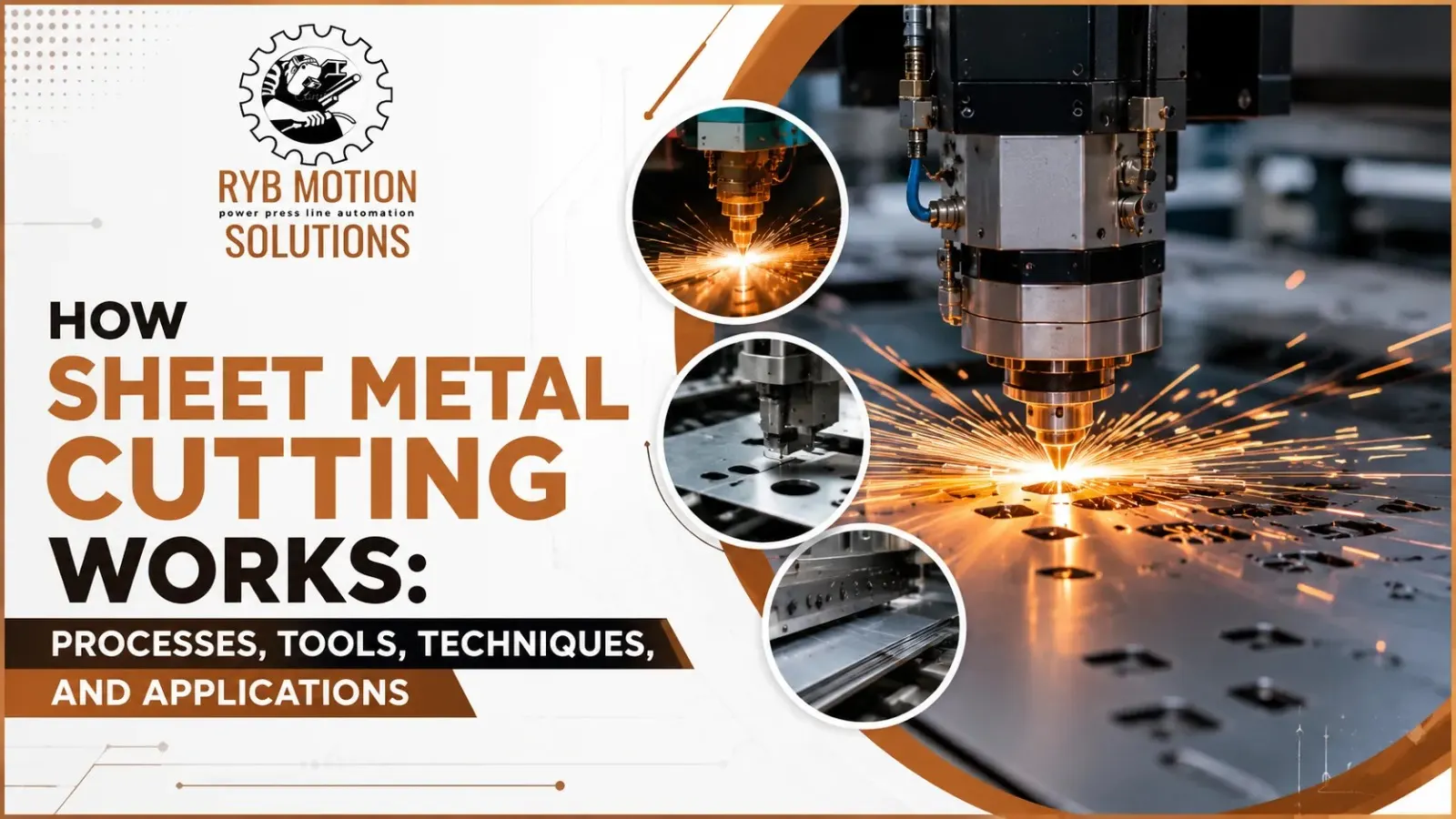
Laser cutting uses a focused beam of light to melt or vaporize material along a programmed path.
Advantages include:
- High precision
- Clean edges
- Minimal material distortion
- Excellent repeatability
- Suitable for complex shapes
Laser cutting is one of the most widely used sheet metal fabrication technologies today.
Plasma Cutting
Plasma cutting utilizes a high-temperature ionized gas stream to cut electrically conductive metals.
Benefits include:
- Fast cutting speed
- Ability to process thick materials
- Cost-effective operation
- Suitable for industrial applications
Plasma systems are commonly used for heavy-duty steel fabrication.
Waterjet Cutting
Waterjet cutting uses high-pressure water mixed with abrasive particles to cut metal.
Advantages include:
- No heat-affected zone
- Smooth edge quality
- Suitable for various materials
- High-dimensional accuracy
Waterjet technology is ideal when thermal distortion must be avoided.
Role of Metal Cutting Machines
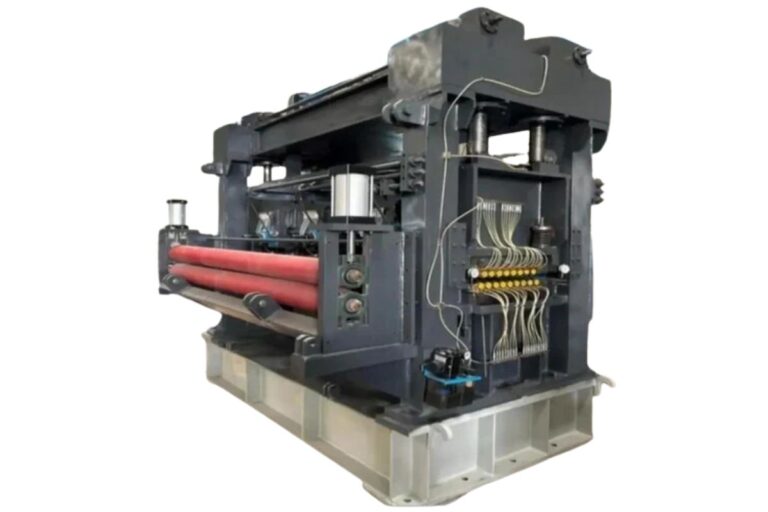
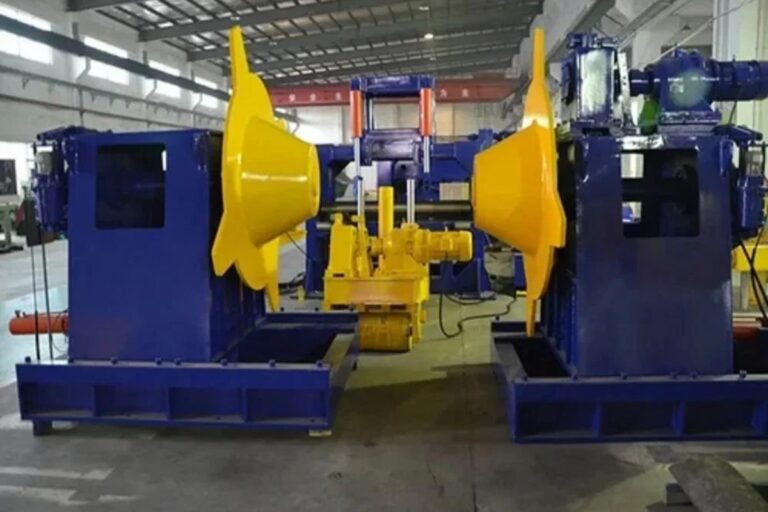
A modern metal cutting machine is designed to deliver precision, efficiency, and repeatability. These machines automate the cutting process and significantly improve manufacturing productivity.
Types of metal cutting machines include:
- CNC Laser Cutting Machines
- CNC Plasma Cutting Machines
- Waterjet Cutting Machines
- Hydraulic Shearing Machines
- Turret Punch Presses
- Fiber Laser Systems
An advanced metal cutting machine reduces manual errors while improving production speed and product consistency.
Tools Used in Sheet Metal Cutting
Various tools are used depending on the cutting application.
Hand Tools
- Tin snips
- Aviation snips
- Hand shears
- Hacksaws
Power Tools
- Angle grinders
- Circular saws
- Nibblers
- Electric shears
Industrial Equipment
- Laser cutting systems
- Plasma cutters
- Waterjet machines
- CNC punching machines
The right tool selection ensures efficient and accurate sheet metal processing.
Understanding Steel Tolerance Standards
Accuracy in production is achieved by adhering to the tolerances of steel materials. Tolerances represent the allowed variations of the size, thickness, flatness, and shape of the material parts.
By adhering to well-known standards of tolerances of steel material, manufacturers can guarantee the quality of their products.
Benefits of maintaining steel tolerance standards include:
- Improved quality control
- Better fit and functionality
- Reduced rejection rates
- Enhanced customer satisfaction
- Reliable production outcomes
Industries such as aerospace, automotive, and precision engineering depend heavily on accurate tolerance management.
Factors Affecting Cutting Accuracy
Several variables influence the accuracy of sheet metal cutting operations.
Material Thickness
Thicker materials require greater cutting force and may affect dimensional precision.
Machine Quality
High-performance cutting systems deliver superior repeatability and accuracy.
Cutting Speed
Improper speed settings can result in rough edges or dimensional deviations.
Tool Condition
Worn tools often produce inaccurate cuts and poor surface finishes.
Programming Accuracy
CNC systems depend on precise programming to achieve consistent results.
Proper control of these factors helps manufacturers achieve excellent cutting performance.
Applications of Sheet Metal Cutting
Sheet metal cutting is used across a wide range of industries.
Automotive Industry
Production of vehicle panels, brackets, chassis components, and structural parts.
Aerospace Industry
Manufacturing lightweight and high-precision aircraft components.
Construction Sector
Fabrication of roofing systems, structural supports, and architectural elements.
Electrical Industry
Production of electrical cabinets, enclosures, and control panels.
Industrial Machinery
Manufacturing machine guards, frames, housings, and equipment parts.
Consumer Products
Production of appliances, furniture, electronics, and decorative components.
Advantages of Advanced Sheet Metal Cutting Technologies
Modern cutting technologies provide significant benefits over conventional methods.
- High production efficiency
- Excellent precision
- Reduced material waste
- Faster turnaround times
- Superior edge quality
- Improved safety
- Enhanced design flexibility
- Lower operating costs
These advantages make advanced cutting systems essential for modern manufacturing operations.
Future of Sheet Metal Cutting
The future of sheet metal fabrication is driven by automation, digital manufacturing, and smart production technologies. Industry 4.0 solutions are enabling manufacturers to monitor cutting operations in real time while improving productivity and reducing downtime.
Emerging trends include:
- AI-assisted manufacturing
- Smart CNC systems
- Automated material handling
- Fiber laser advancements
- Predictive maintenance technology
- Digital quality control systems
These innovations are transforming the way manufacturers approach sheet metal processing.
Conclusion
The precision cutting of sheet metal plays an important role in modern industry production because this process allows us to manufacture components in a highly efficient manner. Cutting metal sheet, choosing the appropriate metal cutting machine, meeting steel tolerances standards, and understanding how to shape metal sheets are among the aspects that play an important role in obtaining optimal fabrication results.
Here at RYB Motion Solution, we realize the significance of state-of-the-art cutting technologies used in manufacturing today. Using the right combination of processes, equipment, and techniques, companies can increase their efficiency, cut costs, and create products of outstanding quality.