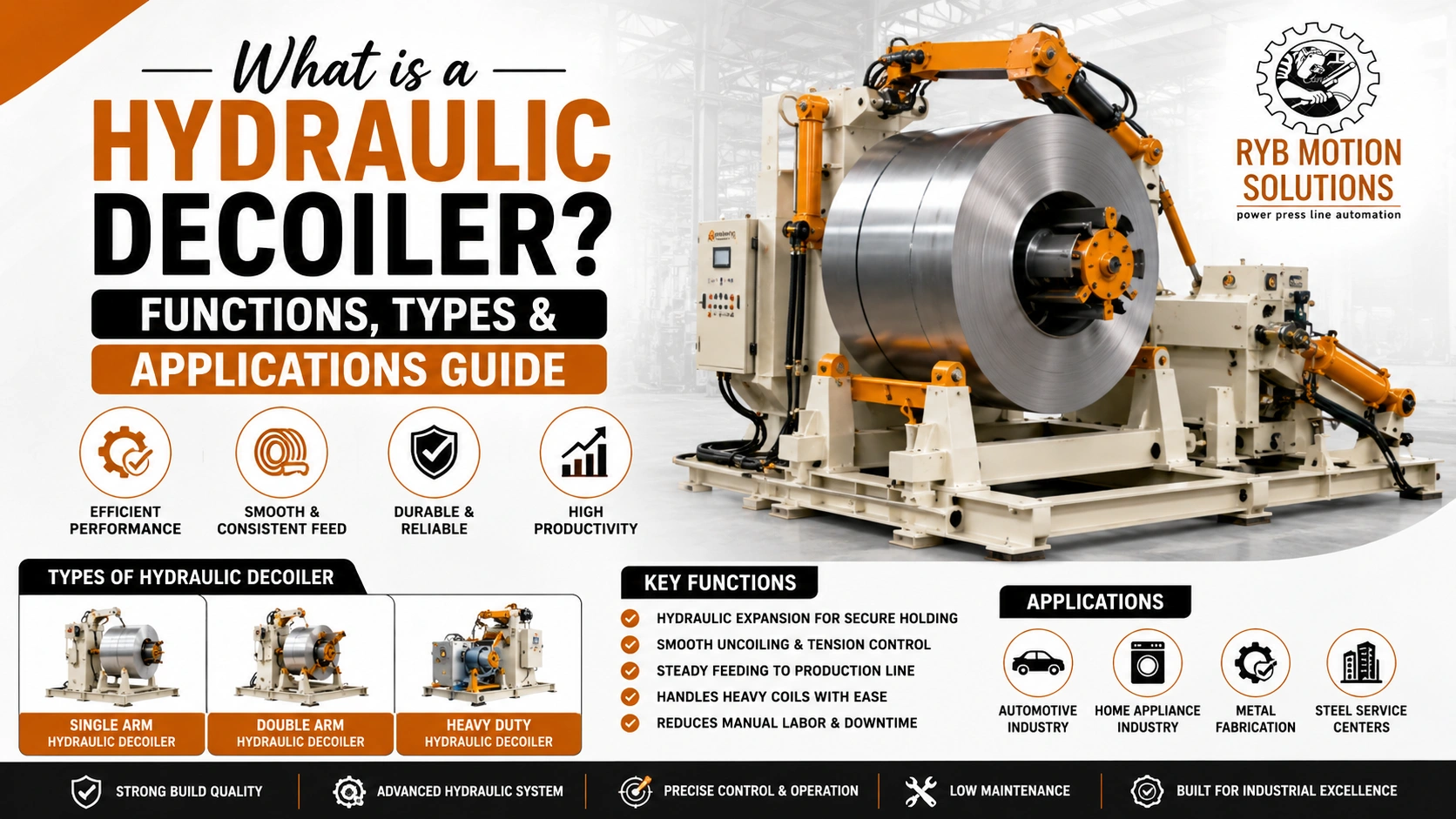
In today’s highly demanding Hydraulic Decoiler Manufacturing industry, efficiency and accuracy are key elements in order to ensure high productivity while keeping down production costs. The industries that deal with sheet metal coils must make use of appropriate machinery for efficient material handling and smooth production processes. One of the most important machines in this regard is the decoiler.
Regardless of whether the operation involves a car manufacturing plant, an appliance manufacturing plant, a metal fabrication shop, or a steel processing plant, hydraulic decoiler machinery is very important for efficiently feeding the coils to production lines.
As an expert company in providing coil handling solutions, at Ryb Motion Solution, we know the significance of hydraulic decoiler machines and their role in modern industries. Here is a comprehensive guide discussing all aspects relating to decoilers.
What Is a Decoiler?
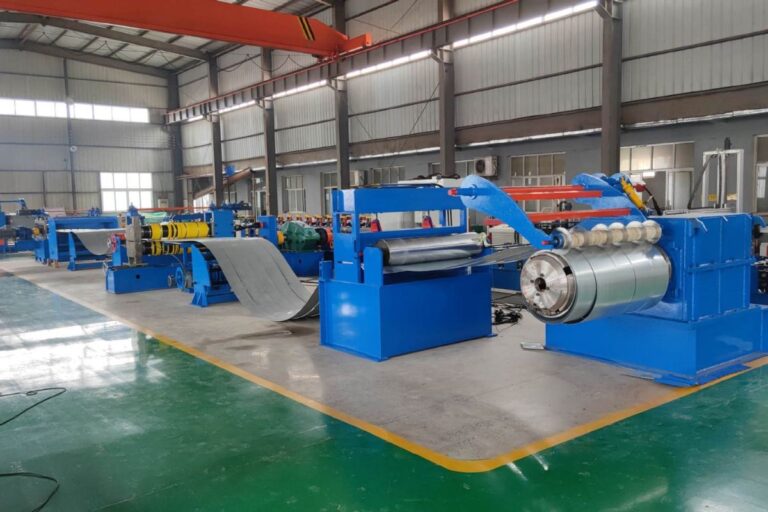
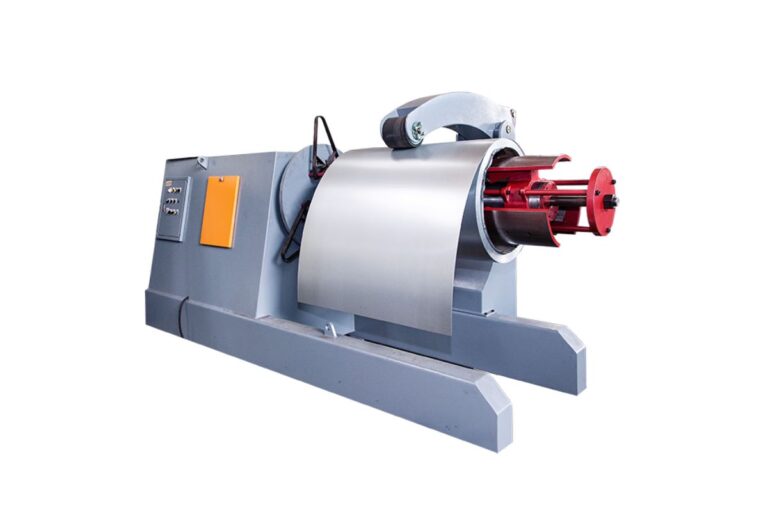
Decoiler refers to a specialized piece of industrial equipment that serves the purpose of holding, unrolling, and feeding metal coils through manufacturing machinery, including press lines, roll forming lines, blanking lines, stamping operations, and cut-to-length lines.
Coils of metal are always received in rolled form. For any manufacturing process to take place, the metal needs to be unwrapped and fed into other machines. The process is carried out using a decoiler machine.
If a decoiler machine is not used, the process becomes laborious and cumbersome. The whole process can also become risky when manual work is involved.
Why Is a Decoiler Important in Manufacturing?
Many manufacturing processes begin with coil-fed raw material. The quality of feeding directly impacts production efficiency and final product quality.
A properly designed decoiler machine provides:
- Continuous material feeding
- Improved production efficiency
- Reduced downtime
- Enhanced workplace safety
- Accurate coil handling
- Better material alignment
- Reduced material wastage
As production volumes continue to increase, automated decoilers have become indispensable for modern factories.
How Does a Decoiler Work?
The operation of a decoiler is relatively simple but highly effective.
Step 1: Coil Loading
The metal coil is loaded onto the decoiler mandrel using a crane, forklift, or coil loading system.
Step 2: Coil Expansion
The mandrel expands to securely hold the coil during operation.
Step 3: Coil Unwinding
The machine gradually unwinds the metal strip while maintaining controlled tension.
Step 4: Material Feeding
The sheet metal is fed into the next stage of the production process, such as leveling, stamping, roll forming, or blanking.
Step 5: Continuous Operation
The decoiler continuously feeds material until the entire coil has been processed.
This automated operation significantly improves manufacturing productivity and consistency.
Key Functions of a Decoiler
A decoiler performs several important functions within a production line.
Material Unwinding
The primary function is to unwind tightly wound metal coils efficiently.
Material Feeding
The machine feeds sheet material into downstream equipment at a controlled rate.
Tension Control
Proper tension control prevents material deformation and feeding errors.
Coil Alignment
Accurate alignment helps maintain product quality and reduces scrap generation.
Production Synchronization
Modern decoilers operate in synchronization with press lines and automation systems.
These functions ensure smooth production and minimize operational disruptions.
Types of Decoilers
Different manufacturing environments require different types of decoilers. The selection depends on material thickness, coil weight, production speed, and automation requirements.
Manual Decoiler
Manual decoilers are suitable for small workshops and low-volume production.
Features include:
- Simple design
- Lower investment cost
- Easy maintenance
- Suitable for lightweight coils
However, manual systems require operator involvement and offer limited automation.
Motorized Decoiler
Motorized decoilers use electric motors to automate the unwinding process.
Benefits include:
- Improved feeding accuracy
- Higher production speed
- Reduced labor requirements
- Consistent performance
They are widely used in medium-scale manufacturing facilities.
Hydraulic Decoiler
A hydraulic decoiler is one of the most advanced and widely used solutions in industrial manufacturing.
Hydraulic systems provide powerful coil handling capabilities and automated operation, making them ideal for heavy-duty applications.
Advantages of a hydraulic decoiler include:
- High load capacity
- Smooth coil expansion
- Better operational control
- Improved safety
- Reduced manual effort
Industries processing large steel coils often prefer hydraulic decoilers for their reliability and performance.
What Is a Hydraulic Decoiler Machine?
A hydraulic decoiler machine uses hydraulic cylinders and power systems to perform coil loading, expansion, centering, and feeding operations.
Unlike manual systems, hydraulic machines can handle heavier coils with greater precision and minimal operator intervention.
Major benefits include:
- Faster setup time
- Higher productivity
- Enhanced operator safety
- Better material control
- Reduced downtime
Hydraulic decoiler machines are commonly integrated into automated press lines and coil processing systems.
Understanding Hydraulic Uncoilers
The term hydraulic uncoiler is often used interchangeably with hydraulic decoiler.
A hydraulic uncoiler performs the same essential task of unwinding and feeding coil material into a production line. The hydraulic system improves handling capacity and operational efficiency, particularly when processing large and heavy coils.
Hydraulic uncoilers are commonly found in:
- Automotive manufacturing plants
- Steel service centers
- Roll forming lines
- Stamping facilities
- Sheet metal fabrication units
Their robust design makes them suitable for demanding industrial applications.
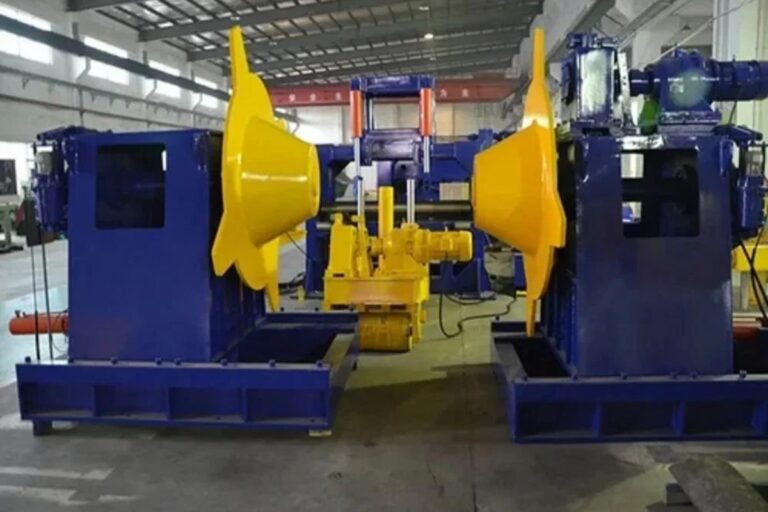
Heavy Duty Decoiler: Built for Large-Scale Operations
Manufacturers handling thick materials and large coil weights require a heavy duty decoiler.
Heavy-duty decoilers are engineered to withstand continuous industrial use while maintaining feeding accuracy.
Key features include:
- High coil load capacity
- Reinforced frame construction
- Advanced hydraulic systems
- Durable mandrel design
- Precision feeding mechanisms
These machines are commonly used in automotive, infrastructure, construction equipment, and heavy engineering industries.
Components of a Decoiler Machine
A modern decoiler machine consists of several important components.
Mandrel
The mandrel securely holds the coil and expands to accommodate different coil sizes.
Hydraulic Expansion System
Hydraulic systems provide controlled coil clamping and expansion.
Drive Motor
The motor controls coil rotation and feeding speed.
Control Panel
The operator manages machine settings through an advanced control interface.
Safety Systems
Emergency stops, overload protection, and safety guards help protect operators and equipment.
Each component contributes to smooth and efficient coil processing operations.
Applications of Decoilers in Various Industries
The versatility of decoilers makes them essential across numerous industries.
Automotive Industry
- Body panel production
- Chassis manufacturing
- Structural component fabrication
Appliance Manufacturing
- Washing machine panels
- Refrigerator cabinets
- Air conditioner components
Construction Industry
- Roofing sheets
- Structural profiles
- Metal framing systems
Electrical Equipment Manufacturing
- Electrical enclosures
- Control panels
- Distribution boxes
Steel Service Centers
- Coil processing
- Sheet cutting
- Material preparation
The wide range of applications demonstrates the importance of decoilers in modern manufacturing.
Benefits of Using a Decoiler Machine
Investing in a high-quality decoiler provides numerous advantages.
Improved Productivity
Continuous feeding reduces production interruptions.
Enhanced Material Utilization
Accurate feeding minimizes scrap generation.
Better Product Quality
Consistent material alignment improves dimensional accuracy.
Reduced Labor Costs
Automation reduces manual handling requirements.
Improved Workplace Safety
Mechanized coil handling lowers the risk of workplace injuries.
Faster Production Cycles
Automated systems increase throughput and overall efficiency.
These benefits contribute directly to profitability and operational excellence.
Factors to Consider When Choosing a Decoiler
Selecting the right decoiler requires careful evaluation of production needs.
Important factors include:
- Coil weight capacity
- Material thickness
- Feeding speed requirements
- Automation level
- Production volume
- Available floor space
- Future expansion plans
Choosing the appropriate machine helps maximize long-term performance and return on investment.
Future of Decoiler Technology
As Industry 4.0 continues to transform manufacturing, decoiler technology is evolving rapidly.
Future innovations include:
- Smart monitoring systems
- IoT-enabled machine controls
- Predictive maintenance
- Automated coil loading
- AI-driven production optimization
- Integrated robotics solutions
These advancements will further improve productivity, reduce downtime, and enhance manufacturing efficiency.
Why Choose Ryb Motion Solution?
At Ryb Motion Solution, we specialize in advanced coil handling and press line automation solutions designed to meet the needs of modern manufacturers.
Our expertise includes:
- Hydraulic decoiler systems
- Heavy duty decoiler solutions
- Hydraulic decoiler machines
- Hydraulic uncoilers
- Automated coil feeding systems
- Complete press line automation
We focus on delivering reliable, efficient, and durable equipment that helps businesses improve productivity, material utilization, and operational performance.
Conclusion
Whether you require a standard decoiler machine, a powerful hydraulic decoiler, a hydraulic uncoiler, or a heavy duty decoiler for large-scale applications, investing in the right equipment can significantly improve manufacturing performance and profitability.
With advanced automation solutions from Ryb Motion Solution, manufacturers can streamline production processes, reduce operational costs, and stay competitive in today’s rapidly evolving industrial landscape.
Decoilers are one of the machines that play an essential part in the manufacturing process when it comes to coils and sheet metals. Not only do they increase efficiency in production, but they also ensure that working conditions remain safe and productive.
Whether you are looking for a basic decoiler machine, a hydraulic decoiler machine, or even a heavy duty decoiler for more extensive use, choosing the right machinery can have an impact on the profitability of your manufacturing business.
Thanks to automation systems provided by Ryb Motion Solution, manufacturers can now increase their production processes.