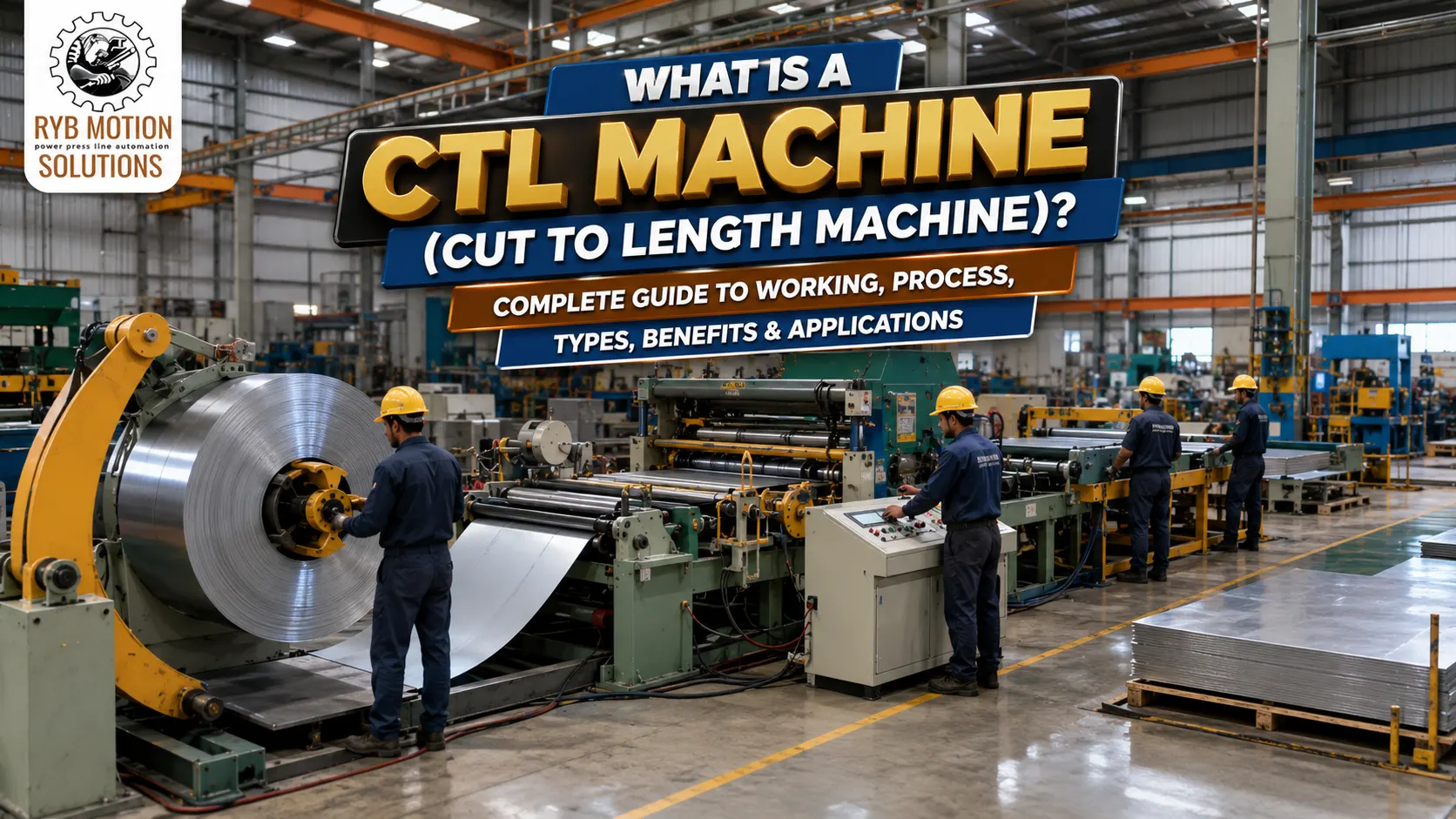
Introduction to a CTL Machine (Cut to Length Machine)
With competition in the manufacturing industry at its peak, even the smallest margin could make a big difference. An incorrect cut, sheet damage, or any wastage of materials could end up adding to your manufacturing cost, delays in delivery, and dissatisfied customers. Gone are the days when you could look for machines that merely help in cutting metal. Now, what manufacturers want is an intelligent machine that delivers them speed, precision, and reliability. This is the exact reason why a CTL Machine, which stands for a Cut to Length Machine, has gained so much significance in the field of coil processing.
What sets a Cut to Length Machine apart from other sheet cutting machines is the fact that it actually makes sure that the metal coil becomes a flat sheet in a completely dimensionally accurate manner. Whether it is the process of loading and leveling, or measuring and precise cutting of metal, every step has been designed to ensure there is no occurrence of defects like coil set, edge wavy, and non-uniform sheet length.
In RYB Motion Solution, we are convinced that any purchase of a metal processing line must not be done only in terms of production capacity and the price of the machinery alone. Each manufacturing unit has its own set of problems to solve – different material for coils, thickness of coils, production volume, and quality control. What you need is a system that will solve your problems in the most efficient manner possible, minimize downtime, waste less materials, and increase production output. The following guide is intended to provide information about the CTL Machine, where it can be used, and how to choose the appropriate system based on production needs.
Understanding a CTL Machine
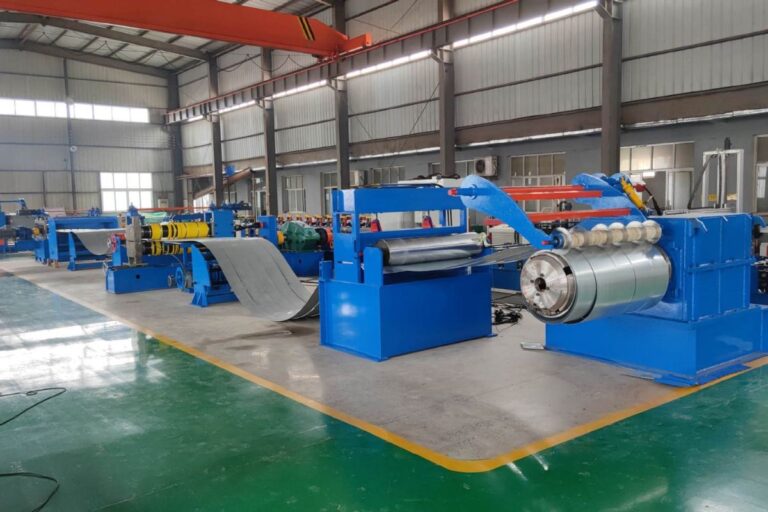
A CTL Machine (Cut to Length Machine) is an advanced coil processing system that converts metal coils into flat sheets of predetermined lengths with exceptional precision. Instead of cutting individual sheets manually, the machine automatically performs multiple operations in a continuous production cycle, ensuring consistent quality and maximum efficiency.
The complete cut to length process generally includes:
- Coil Loading
- Coil Uncoiling
- Coil Straightening
- Precision Leveling
- Length Measurement
- High-Speed Shearing
- Automatic Sheet Stacking
Each operation is synchronized to produce flat sheets that meet strict industrial quality standards while reducing production time and material wastage.
Why Modern Industries Depend on Cut to Length Technology
Manufacturing industries today process thousands of tons of steel, stainless steel, aluminum, copper, and coated metals every month. Manual processing is no longer practical because it increases labor costs, reduces productivity, and creates quality inconsistencies.
A modern Cut to Length Machine solves these challenges by providing:
- Fully automated sheet production
- Excellent dimensional accuracy
- Consistent sheet flatness
- Reduced scrap generation
- Faster production cycles
- Better material utilization
- Improved workplace safety
- Lower operating costs
These advantages make CTL technology essential for industries that require precision sheet metal processing.
How Does a CTL Machine Work?
Although highly automated, the working process of a CTL Machine follows a logical sequence designed to maximize accuracy and production efficiency.
Coil Loading
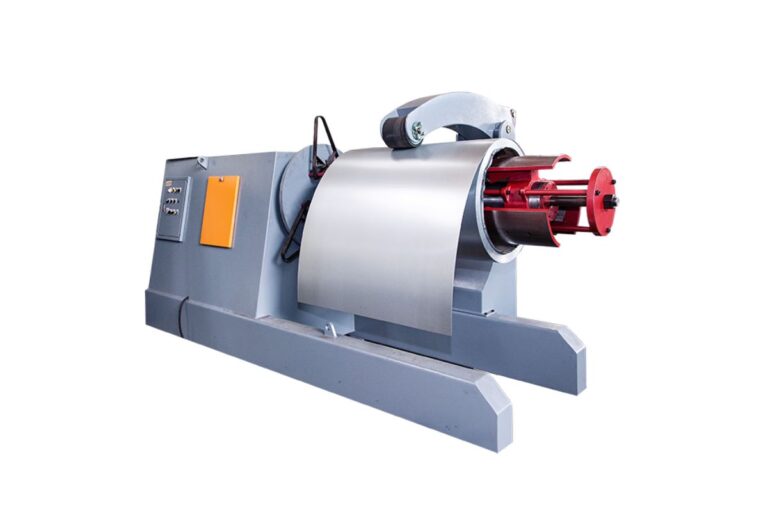
The production cycle begins by placing a metal coil onto a hydraulic decoiler. The decoiler securely holds the coil while allowing smooth unwinding during operation.
Uncoiling Process
The machine gradually unwinds the metal coil at a controlled speed, preventing sudden tension changes that could affect sheet quality.
Precision Leveling
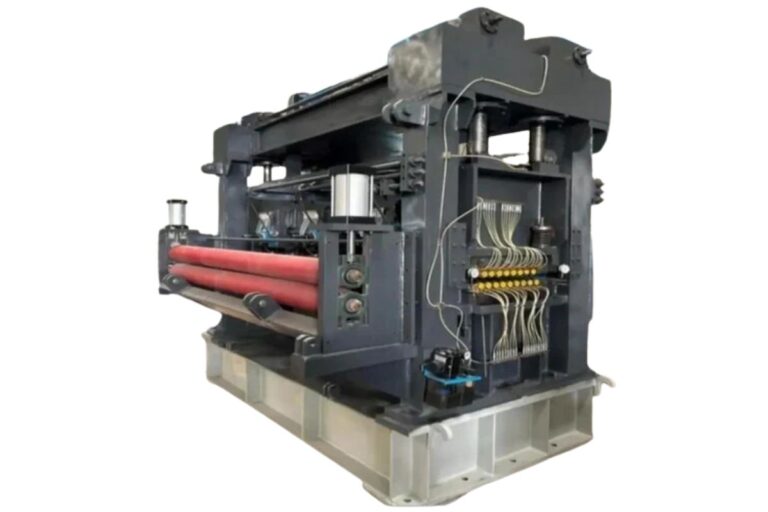
As the material moves forward, it passes through heavy-duty leveling rollers. These rollers remove coil memory, crossbow, edge waves, and surface distortion to produce perfectly flat sheets.
Servo Feeding System
A servo-controlled feeding mechanism measures the material with exceptional accuracy before it reaches the cutting section.
High-Speed Shearing
Once the programmed length is reached, precision shearing blades cut the sheet cleanly with minimal burr formation.
Automatic Stacking
Finished sheets are automatically stacked in an organized manner, reducing manual handling and improving production efficiency.
This fully synchronized cut to length process enables manufacturers to achieve high productivity while maintaining exceptional product quality.
Major Components of a Cut to Length Machine
The performance of a CTL Machine depends on the precision and durability of each component.
Hydraulic Decoiler
Supports heavy metal coils while ensuring smooth and controlled unwinding throughout production.
Pinch Roll Unit
Feeds the material into the leveling section while maintaining proper grip and tension.
Precision Leveler
Removes residual stresses and produces flat sheets suitable for downstream manufacturing.
Servo Feeding System
Ensures highly accurate length measurement during continuous production.
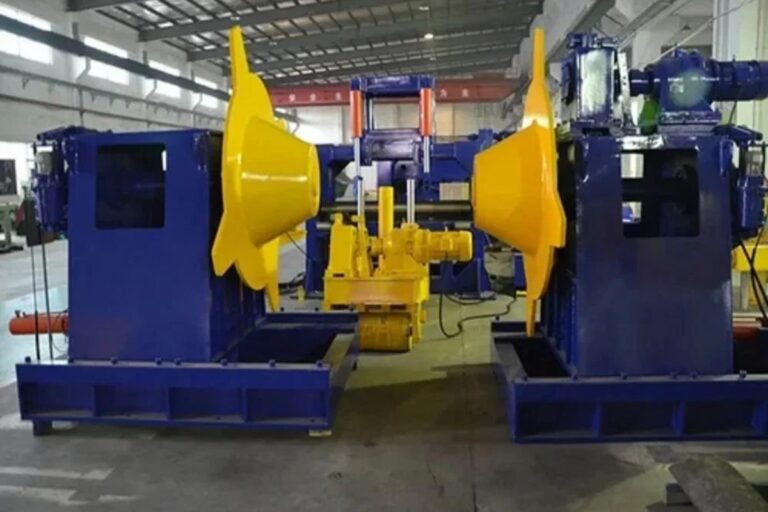
Flying Shear Unit
Performs fast and accurate cutting with clean edges and minimal material loss.
Automatic Stacker
Collects finished sheets safely without interrupting production flow.
Electrical Control Panel
Modern PLC-based controls allow operators to monitor, adjust, and automate the entire production cycle.
Hydraulic System
Provides power for decoiling, shearing, and other mechanical operations.
Technical Specification Table
| Specification | Details |
|---|---|
| Machine Type | CTL Machine |
| Processing Material | CR, HR, SS, GP, GI, Aluminum, Copper |
| Coil Thickness | 0.20 mm – 12 mm |
| Coil Width | 300 mm – 2000 mm |
| Coil Weight | Up to 30 Tons |
| Cutting Accuracy | ±0.5 mm |
| Line Speed | Up to 80 m/min |
| Leveling Rollers | Heavy-Duty Precision Rollers |
| Drive System | Servo Controlled |
| Cutting System | Hydraulic / Flying Shear |
| Automation | PLC & HMI Based |
| Power Supply | 415V, 3 Phase |
| Sheet Length | Fully Programmable |
| Operation | Automatic |
| Applications | Industrial Coil Processing |
Different Types of Cut to Length Machines
Every production facility has different processing requirements. Choosing the right configuration depends on material type, coil thickness, production volume, and required accuracy.
Light Gauge CTL Machine
Designed for processing thin-gauge coils used in appliances, electrical panels, HVAC products, and precision fabrication.
Medium Gauge Cut to Length Machine
Suitable for engineering industries, furniture manufacturing, general fabrication, and construction applications.
Heavy Gauge CTL Machine
Built for processing thick metal coils used in shipbuilding, heavy engineering, structural fabrication, and industrial equipment manufacturing.
High-Speed CTL Line
Ideal for manufacturers requiring continuous production with maximum throughput while maintaining dimensional accuracy.
Fully Automatic CTL Machine
Equipped with advanced PLC automation, servo controls, automatic stacking, and production monitoring systems for large-scale manufacturing facilities.
Materials Processed by a CTL Machine
One of the biggest advantages of modern Cut to Length Machine technology is its versatility. Depending on the configuration, a single production line can process multiple types of metal coils.
Common materials include:
Cold Rolled Steel (CR)
Provides a smooth surface finish and excellent dimensional accuracy for precision manufacturing.
Hot Rolled Steel (HR)
Suitable for structural components, heavy fabrication, and industrial applications.
Stainless Steel (SS)
Processes corrosion-resistant materials while protecting the surface finish.
Galvanized Steel (GI & GP)
Maintains coating integrity while producing flat, accurate sheets for roofing, ducting, and construction.
Aluminum Coils
Produces lightweight, high-quality sheets for transportation, aerospace, and architectural applications.
Copper and Brass
Processes non-ferrous metals used in electrical and industrial manufacturing.
Industries That Rely on Cut to Length Machines
A CTL Machine plays a critical role in industries where dimensional accuracy and consistent sheet quality are essential.
Some of the major industries include:
- Steel Service Centers
- Automotive Manufacturing
- Electrical Panel Manufacturing
- HVAC Industry
- Construction and Infrastructure
- Roofing Sheet Production
- Industrial Equipment Manufacturing
- Furniture Manufacturing
- Agricultural Equipment
- Precision Sheet Metal Fabrication
- Renewable Energy Component Manufacturing
- Railway and Transportation Industries
These industries depend on automated cut to length systems to improve efficiency, reduce scrap, and ensure high-quality finished products.
Key Benefits of a CTL Machine
CTL Machines are not just sheet cutting machines; they are a whole system for processing coils that helps increase productivity and efficiency while lowering operational costs. Whatever type of steel coils you are dealing with—whether it is stainless steel, hot rolled steel, cold rolled steel, galvanized steel, or even aluminum—you can make your manufacturing processes more efficient by using the appropriate Cut to Length Machine.
Outstanding Dimensional Accuracy
Precision is one of the most important advantages of a Cut to Length Machine. Advanced servo feeding and measuring systems ensure every sheet is cut to the exact programmed length with minimal tolerance, reducing rework and improving product quality.
Perfectly Flat Sheets
Integrated precision levelers eliminate coil memory, edge waves, cross bow, and surface distortion. This results in flat sheets that are immediately ready for laser cutting, bending, welding, or fabrication.
Higher Production Efficiency
Automation enables continuous coil processing with minimal operator intervention, allowing manufacturers to increase output while maintaining consistent quality.
Reduced Material Wastage
Accurate length measurement and optimized cutting minimize scrap generation, helping manufacturers maximize raw material utilization and lower production costs.
Excellent Surface Protection
Specially designed rollers and feeding systems help preserve the surface finish of coated and polished materials, making the machine suitable for high-value metals such as stainless steel and aluminum.
Long-Term Reliability
Heavy-duty construction, precision-engineered components, and advanced automation ensure dependable performance even under demanding industrial operating conditions.
Features That Make a CTL Machine a Smart Investment
Manufacturers today expect more than simple cutting equipment. A modern CTL Machine combines intelligent automation with robust engineering to deliver long-term value.
Key features include:
- Hydraulic decoiler for smooth coil handling
- Heavy-duty precision leveling unit
- Servo-controlled feeding system
- High-speed flying shear or hydraulic shear
- PLC and HMI-based automation
- Automatic sheet stacking system
- Adjustable cutting lengths
- Low-maintenance design
- User-friendly operation
- High-speed continuous processing
- Excellent safety features
- Compatibility with multiple coil materials
These features help improve production consistency while reducing downtime and operator dependency.
Applications of a Cut to Length Machine
The versatility of a Cut to Length Machine allows it to support a wide range of industries that require precision sheet processing.
Steel Service Centers
Steel service centers use CTL lines to convert large coils into accurately sized sheets for customers across multiple industries.
Automotive Industry
Automotive manufacturers require precise sheet dimensions for body panels, structural parts, and fabricated components.
Construction Industry
Processed sheets are widely used for roofing, cladding, structural fabrication, partitions, and building components.
Electrical Panel Manufacturing
Flat, burr-free sheets ensure accurate fabrication of electrical enclosures and control panels.
HVAC Industry
The machine produces galvanized sheets used for air ducts, ventilation systems, and HVAC components.
Industrial Fabrication
Engineering workshops rely on precision sheets for machinery, equipment, storage systems, and customized fabrication projects.
Furniture Manufacturing
Metal furniture manufacturers require perfectly leveled sheets for cabinets, racks, lockers, and modular furniture.
Renewable Energy Sector
Solar mounting structures, electrical cabinets, and renewable energy components require accurately processed metal sheets.
Maintenance Tips for Long Service Life
Even the most advanced CTL Machine performs best when maintained regularly. Preventive maintenance reduces unexpected downtime and extends equipment life.
Lubricate Moving Components
Proper lubrication minimizes wear on bearings, gears, rollers, and drive systems.
Inspect Leveling Rollers
Clean and inspect rollers regularly to maintain sheet flatness and surface quality.
Monitor Cutting Blades
Sharp blades ensure clean cuts and reduce burr formation. Replace or regrind blades when required.
Check Hydraulic Systems
Inspect hoses, cylinders, and hydraulic oil levels to maintain reliable machine performance.
Verify Servo System Accuracy
Regularly inspect sensors and servo drives to ensure accurate sheet measurement.
Clean Electrical Panels
Keep PLC panels and electrical cabinets free from dust to improve reliability.
Tighten Mechanical Fasteners
Routine inspection prevents vibration-related loosening during continuous operation.
How to Choose the Right Cut to Length Machine
Selecting the right machine requires more than comparing prices. Understanding your production requirements ensures better long-term performance.
Material Type
Determine whether you process CR, HR, SS, GP, GI, aluminum, copper, or mixed materials.
Coil Thickness
Choose a machine designed for your maximum material thickness.
Coil Width
Ensure the line supports both your current and future production requirements.
Production Capacity
Select equipment that matches your daily processing volume.
Automation Level
Fully automatic systems improve efficiency while reducing labor costs.
Leveling Quality
The quality of the leveler directly affects sheet flatness and finished product quality.
Cutting Accuracy
High-precision servo systems help maintain dimensional consistency.
Future Expansion
Invest in a machine capable of supporting future business growth and increased production demands.
Common Mistakes Buyers Should Avoid
Many manufacturers focus only on the initial purchase price instead of evaluating the complete production requirements.
Common mistakes include:
- Choosing insufficient coil thickness capacity
- Ignoring future production expansion
- Buying without evaluating automation requirements
- Selecting poor-quality leveling systems
- Underestimating maintenance requirements
- Choosing low-precision measuring systems
- Ignoring after-sales support
- Focusing only on speed instead of overall sheet quality
Avoiding these mistakes helps maximize productivity and return on investment.
Why Choose RYB Motion Solution?
As a firm operating under the name of RYB Motion Solution, we strongly believe that any manufacturing company should be provided with a solution and not just a machine because it will help boost productivity, improve efficiency, and provide long-term value. We need to understand the nature of the challenges faced by each manufacturing plant, its requirements for materials, quality, and future plans before suggesting the most appropriate solution to them. The main aim of the company is to assist businesses in minimizing material wastage, streamlining production processes, and providing consistent high-quality products through advanced coil processing technology.
Our commitment includes:
- Advanced engineering expertise
- Precision manufacturing standards
- Customized coil processing solutions
- High-performance automation
- Durable machine construction
- Reliable technical support
- Efficient installation assistance
- Operator training
- Responsive after-sales service
- Customer-focused approach
Our objective is to help businesses achieve higher productivity, lower operational costs, and consistent product quality through dependable coil processing technology.
Conclusion
A CTL Machine, also referred to as a Cut to Length Machine, has become an absolute necessity for modern industries involved in metal processing operations. The combination of precise coil feeding, perfect sheet leveling, accurate length calculation, and speedy sheet shearing helps produce perfect and precise sheets of metals as per the stringent quality standards prevailing in the industry.
If you own and run a metal service center, fabrication plant, automobile industry, electrical panel manufacturing company, or construction material manufacturing facility, then making a wise choice of a Cut to Length Machine will help you increase your efficiency, reduce material waste, improve product quality, and ensure your business growth.
Frequently Asked Questions (FAQs)
1. What is a CTL Machine?
A CTL Machine (Cut to Length Machine) is an automated coil processing system that uncoils, levels, measures, cuts, and stacks metal sheets into precise lengths with high accuracy and minimal material waste.
2. What materials can a Cut to Length Machine process?
A Cut to Length Machine can process various metals, including cold rolled steel (CR), hot rolled steel (HR), stainless steel (SS), galvanized steel (GI/GP), aluminum, copper, and other coated metal coils, depending on the machine’s specifications.
3. What are the main advantages of a CTL Machine?
The key benefits include precise sheet cutting, excellent flatness, reduced material wastage, higher production efficiency, automated operation, improved safety, and consistent finished product quality.
4. Which industries use Cut to Length Machines?
These machines are widely used in steel service centers, automotive manufacturing, electrical panel production, HVAC, construction, metal fabrication, furniture manufacturing, renewable energy, and heavy engineering industries.
5. How do I choose the right Cut to Length Machine?
Consider factors such as material type, coil thickness, coil width, production capacity, automation level, cutting accuracy, leveling quality, available floor space, and future expansion plans before selecting a machine.
6. How often should a CTL Machine be maintained?
Routine maintenance should include daily cleaning and inspection, periodic lubrication of moving parts, checking hydraulic and electrical systems, monitoring cutting blades and leveling rollers, and scheduled preventive servicing according to the manufacturer’s recommendations to ensure long-term performance and reliability.