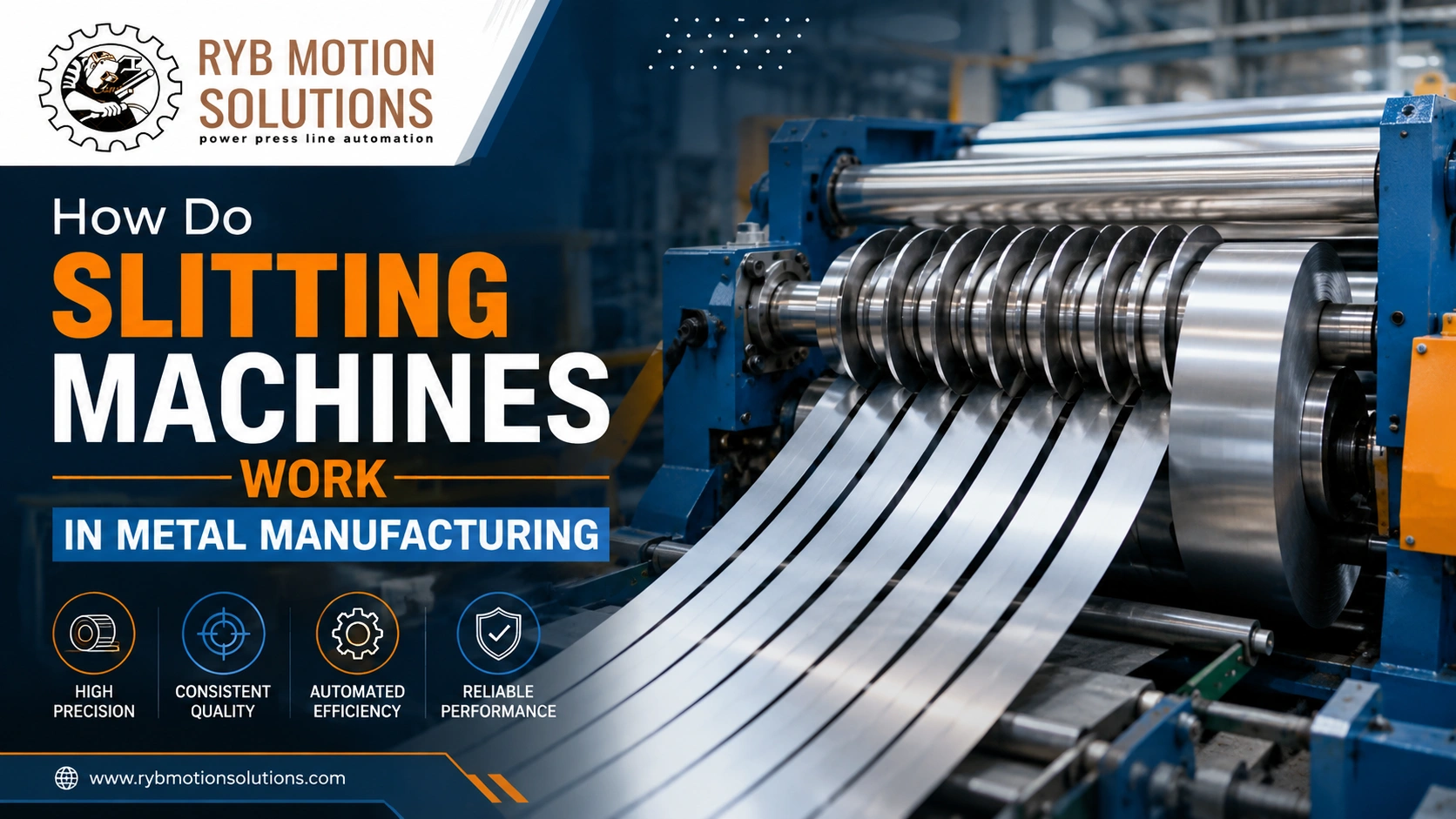
Metal manufacturing industries need precise speed and efficient operations to create their highest-quality products. Slitting machines function as essential equipment used throughout this industrial sector. The machines establish precise width specifications, which they use to convert large metal coils into smaller metal strips that manufacturing facilities can use.
Modern manufacturing operations use slitting technology in automotive components, construction materials, electrical products, and packaging industries. RYB Motion Solution develops advanced slitting solutions that enable metal processing operations to achieve high performance through accurate and reliable results.
Industries achieve better production results, reduced material waste, and consistent product quality through their knowledge of slitting machine operation.
Sheet Metal Slitting: Process, Meaning & Industrial Applications
Sheet metal slitter machines are extensively utilized in metal processing plants to cut metal coils into narrower strips. The sheet metal slitting process entails feeding metal coils through rotating circular blades, thereby making several cuts at once. Through this slitting machine process, it becomes possible to obtain metal strips of specified widths needed by various industries including automobile, construction, electrical equipment, and fabrication industries. With the advent of slitting machines, efficiency in cutting, less material wastage, and increased precision have become possible.
The definition of the slitting machine process involves the procedure of cutting a wide roll into smaller widths without altering its length. To put it in simple words, slit meaning in Hindi is “to cut.” Today, the most advanced sheet metal slitting meaning equipment is able to accommodate stainless steel, aluminum, copper, galvanized steel, and CR coils. Sheet metal slitting machines provide exact dimensional and clean-cut strips, thus helping modern manufacturing industries maintain quality standards.
What Is a Slitting Machine?
A slitting machine is an industrial machine used to cut wide metal coils into smaller strips of specific widths. The process involves passing metal sheets or coils through sharp rotating blades that slit the material accurately.
This machine is commonly used for processing:
- Stainless steel
- Aluminum
- Copper
- Brass
- Galvanized steel
- Cold-rolled steel
- Hot-rolled steel
A modern metal slitting machine is designed to handle high-speed operations while maintaining precise cutting accuracy and smooth material handling.
Importance of Slitting Machines in Metal Manufacturing
Metal processing industries rely heavily on slitting technology because many industrial products require metal strips of customized sizes. Large metal coils cannot always be used directly in manufacturing applications.
This is where material slitting becomes essential. Slitting machines help manufacturers produce metal strips with exact dimensions required for downstream production processes.
Key Benefits of Slitting Machines
- Improves production efficiency
- Reduces material wastage
- Provides accurate strip widths
- Supports high-speed processing
- Enhances product quality
- Simplifies coil handling
- Reduces labor requirements
Modern slitting systems allow industries to process large volumes of metal quickly and efficiently.
How Does a Metal Slitting Machine Work?
The working process of a metal slitting machine involves several important stages. Each stage is designed to ensure smooth processing and accurate cutting performance.
1. Coil Loading
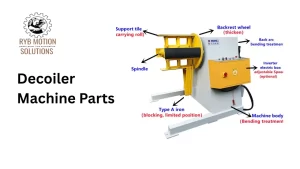
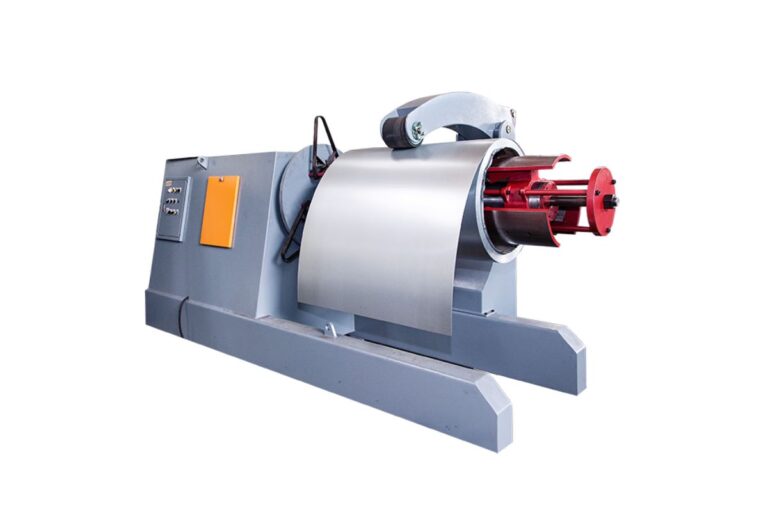
The process begins with loading a large metal coil onto the machine’s uncoiler section. The uncoiler holds and feeds the metal strip into the slitting system.
Heavy-duty hydraulic systems are often used for safe and efficient coil loading operations.
2. Coil Feeding
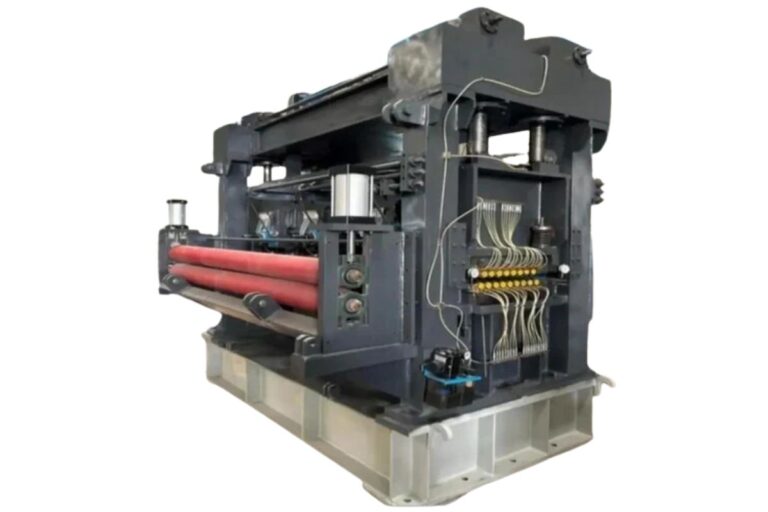
Once the coil is mounted, the material moves forward through guide rollers and straightening systems. These components ensure proper alignment before the cutting process begins.
Proper feeding is extremely important because even minor alignment errors can affect cutting accuracy.
3. Slitting Process
This is the main stage where the actual cutting takes place. Circular rotary blades mounted on parallel shafts cut the metal into narrower strips.
The spacing between blades determines the final strip width. Precision blade positioning is critical for achieving accurate dimensions.
A high-performance steel slitting machine can process metal coils at high speeds while maintaining excellent cutting quality.
4. Scrap Removal
During the slitting process, excess edge material is removed from both sides of the coil. Scrap winders collect these leftover strips to keep the process clean and organized.
5. Strip Tension Control
After slitting, tension control systems maintain proper strip stability during rewinding. This helps prevent wrinkles, scratches, or uneven winding.
6. Recoiling
The final slit strips are rewound into smaller coils using recoiler systems. These finished coils are then ready for transportation or further manufacturing processes.
Types of Slitting Machines Used in Industries
Different industries require different slitting technologies depending on material thickness, production speed, and application requirements.
Steel Slitting Machines
A steel slitting machine is specially designed for cutting steel coils into precise widths. These machines are widely used in the automotive, appliance, and construction industries.
They are capable of processing:
- Mild steel
- Stainless steel
- Galvanized steel
- Silicon steel
Heavy-duty construction and powerful motors allow these machines to handle thick and hard materials efficiently.
Sheet Metal Slitting Machines
A sheet metal slitting machine is commonly used for processing thin metal sheets and coils. These machines provide high precision and smooth cutting performance for lightweight materials.
Industries use them for manufacturing:
- Roofing sheets
- Electrical panels
- Metal furniture
- HVAC components
- Industrial enclosures
Automatic Slitting Machines
Modern automatic slitting systems use PLC controls, servo drives, and automation technology for improved productivity and accuracy.
These machines minimize manual intervention and support continuous industrial production.
Applications of Slitting Machines
Slitting technology is used across multiple industries due to its versatility and efficiency.
Automotive Industry
Metal strips are used in car body panels, exhaust systems, brackets, and structural components.
Construction Industry
Slit metal coils are used in roofing sheets, wall panels, and structural applications.
Electrical Industry
Electrical equipment manufacturers use slit coils for transformers, switchgear, and cable trays.
Packaging Industry
Metal strips are used for cans, containers, and industrial packaging materials.
Appliance Manufacturing
Home appliances require accurately cut metal sheets for manufacturing refrigerators, washing machines, and ovens.
Advantages of Modern Material Slitting Systems
Modern material slitting technology offers several operational and economic benefits for manufacturers.
High-Speed Production
Advanced slitting systems process metal coils rapidly, increasing production output.
Precision Cutting
Modern blade systems provide excellent dimensional accuracy and smooth edge quality.
Reduced Material Waste
Efficient cutting technology minimizes scrap generation and improves material utilization.
Improved Productivity
Automated systems reduce manual handling and improve overall workflow efficiency.
Better Product Quality
Uniform slit widths and clean edges improve downstream manufacturing performance.
At RYB Motion Solution, advanced slitting solutions are designed to help industries achieve superior productivity, precision, and long-term operational reliability.
Key Components of a Slitting Machine
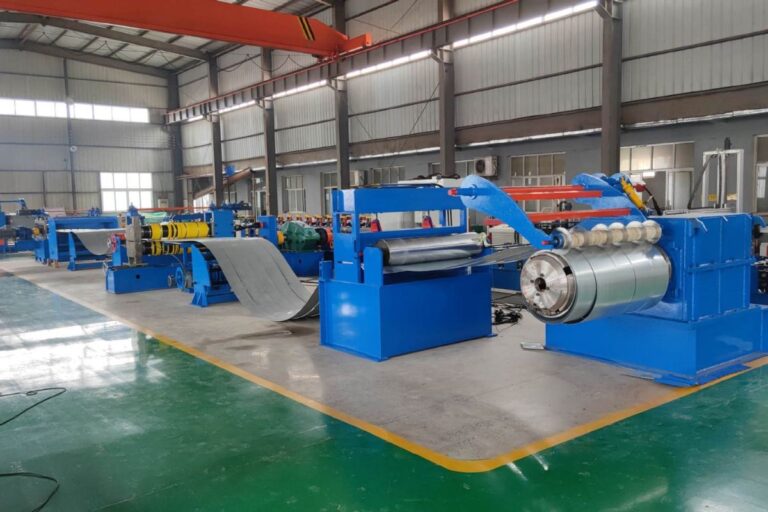
A modern slitting machine consists of several important components that work together for efficient metal processing.
Uncoiler
Holds and feeds the metal coil into the machine.
Slitter Head
Contains circular cutting blades responsible for the slitting operation.
Separator Unit
Separates slit strips after cutting.
Scrap Winder
Collects edge scrap material during processing.
Tension Stand
Maintains proper strip tension for stable rewinding.
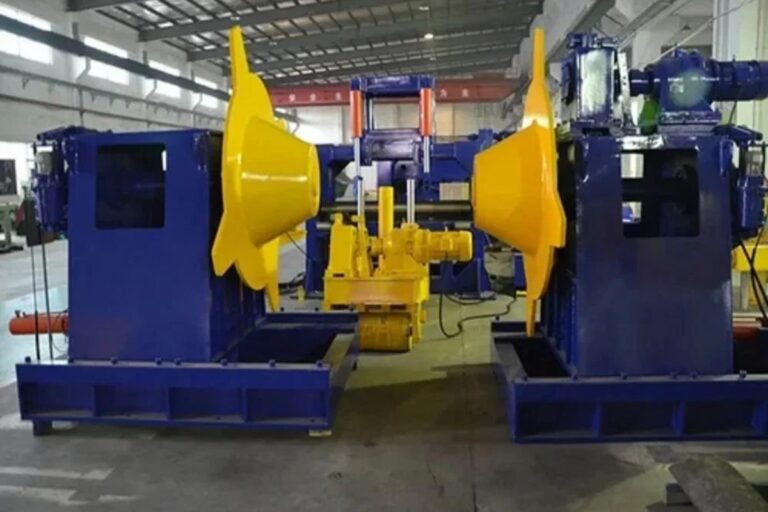
Recoiler
Rewinds slit strips into finished coils.
Each component plays a crucial role in maintaining machine performance and cutting quality.
Factors to Consider While Choosing a Slitting Machine
Selecting the right slitting machine depends on several important factors.
Material Type
Different materials require different blade configurations and machine strengths.
Coil Thickness
Machine capacity should match the required material thickness range.
Production Speed
High-speed industries need machines with faster processing capabilities.
Cutting Accuracy
Precision requirements vary depending on the final product application.
Automation Features
Modern automated systems improve efficiency and reduce labor dependency.
Maintenance Requirements
Reliable machines with low maintenance requirements reduce operational downtime.
Choosing a trusted manufacturer like RYB Motion Solution ensures high-quality slitting solutions designed for long-term industrial performance.
Future of Slitting Technology
The future of metal manufacturing is becoming increasingly automated and technology-driven. Advanced slitting machines are now integrated with smart monitoring systems, servo automation, and digital controls.
Industries are focusing on:
- Higher production speeds
- Improved energy efficiency
- Better precision control
- Reduced operational costs
- Automated quality monitoring
Predictive maintenance and machine performance assessment now benefit from advancements in AI monitoring systems and Industry 4.0 technology.
Global manufacturing expansion will drive increasing demand for advanced sheet metal slitting systems throughout the world.
Conclusion
Slitting machines serve as essential technology for contemporary metal production facilities. The machines enable the transformation of large metal coils into specific strip dimensions, which various industrial sectors require.
The present metal slitting machine systems support industrial efficiency through their ability to deliver precise cuts at high production rates while generating minimal waste materials.
The steel slitting machine, the advanced sheet metal slitting machine, and the automated material slitting system all work together to help manufacturers maintain their product quality standards and operational performance.
RYB Motion Solution provides industries with innovative slitting solutions that help them achieve improved operational efficiency and decreased manufacturing expenses while fulfilling the increasing needs of contemporary metal production markets.