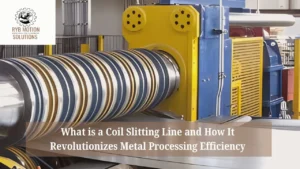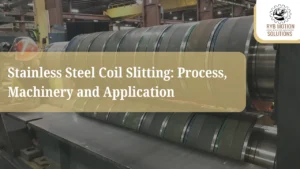
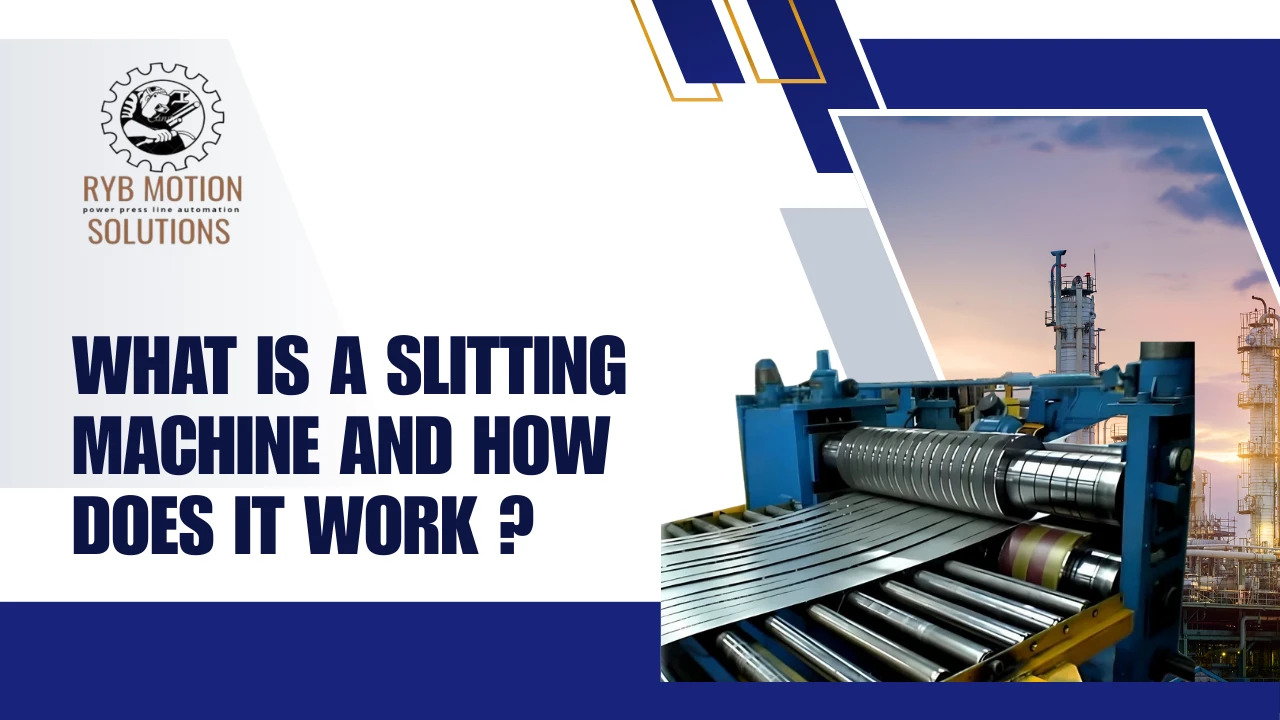
In modern manufacturing, converting large rolls of material into narrower ones is a common requirement across industries—from packaging to metalworking. That’s where a Slitting Machine comes in.
Definition
A slitting machine is a piece of industrial equipment used to cut a wide roll (called a parent roll or master roll) of material into narrower rolls of the desired width. These narrower rolls are often called “mults” in converting terminology.
What is Slitting?
Slitting is a process in which a large roll of material, often called a master roll, is cut into narrower rolls of desired widths. It is widely used in industries dealing with paper, plastic films, textiles, aluminum foil, and packaging materials. The process involves three key steps: unwinding the large roll, cutting it with sharp blades or knives, and then rewinding the smaller rolls neatly.
These machines come in different types such as roll slitting machines, slitter rewinders, and razor slitting machines, depending on the application and material.
Slitting Machine Process:
The operation of a slitting machine can be broken down into a sequence of steps:
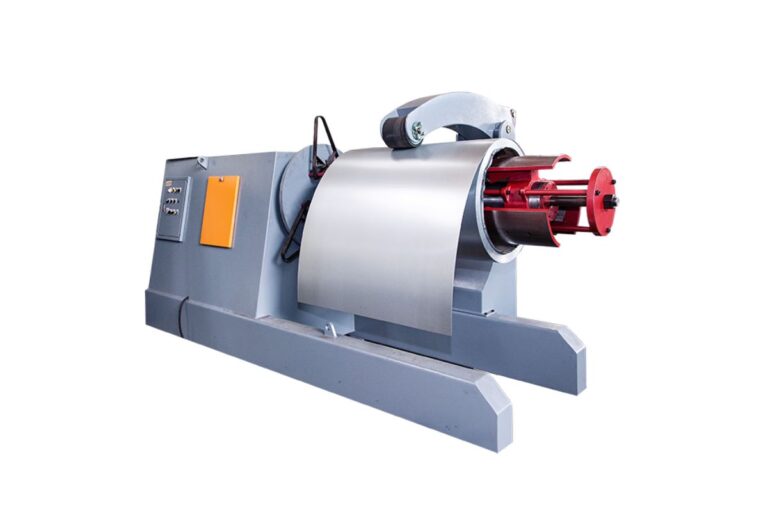
1. Unwinding / Decoiling: The parent roll is loaded onto an unwinding mechanism or decoiler. Tension control is established to ensure the roll unwinds smoothly without flutter or distortion.
2. Material Alignment & Span: The material is guided and aligned so that it feeds into the slitting section at the correct width and with consistent tension across its width.
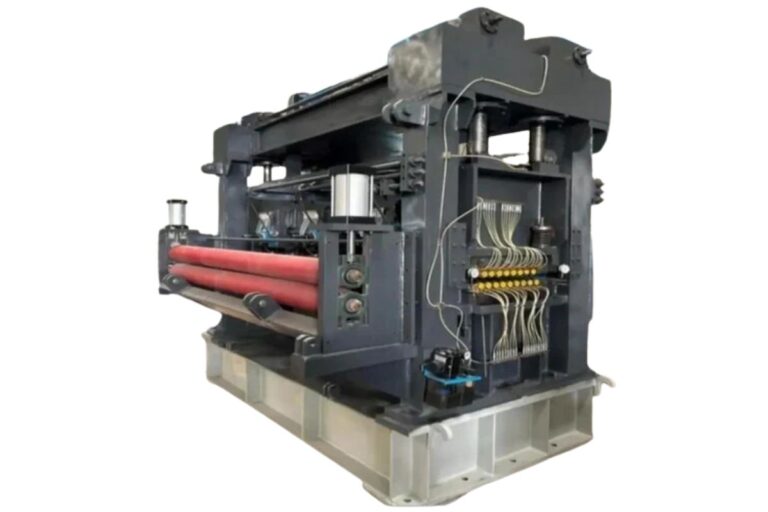
3. Slitting / Cutting Section
- For soft materials (films, paper, lightweight foils): the machine uses razor blades, circular blades or crush-cut blades to slit the material.
- For harder materials (metal sheet, heavy foil): shearing or hot-knife methods might be used.
- The blades or knives are spaced according to the widths required for each output roll.
4. Rewinding / Winding: After slitting, the narrower strips are rewound onto cores to form multiple finished rolls. Each narrow width is wound separately, sometimes simultaneously. If required, differential rewind shafts or closed-loop tension control systems ensure each roll winds consistently.
5. Tension & Web Control: Throughout the process, control of tension, alignment (web guide), and speed is essential. Tension too high can stretch or tear material; too low can cause wrinkles or misalignment. Modern machines incorporate servo drives, load cells, and web alignment systems.
6. Finished Roll Removal: Once rewound, the finished narrow rolls are removed, labeled if required, and are either sent directly to packaging or onward processing.
Key Components of Slitting Machine
Here are some of the typical components you’ll find in a slitting machine:
- Decoiler / Unwind station
- Entry guide & alignment system
- Slitting knives or blades (circular, razor, shear)
- Tension control systems (brakes, magnetic powder brakes, clutches)
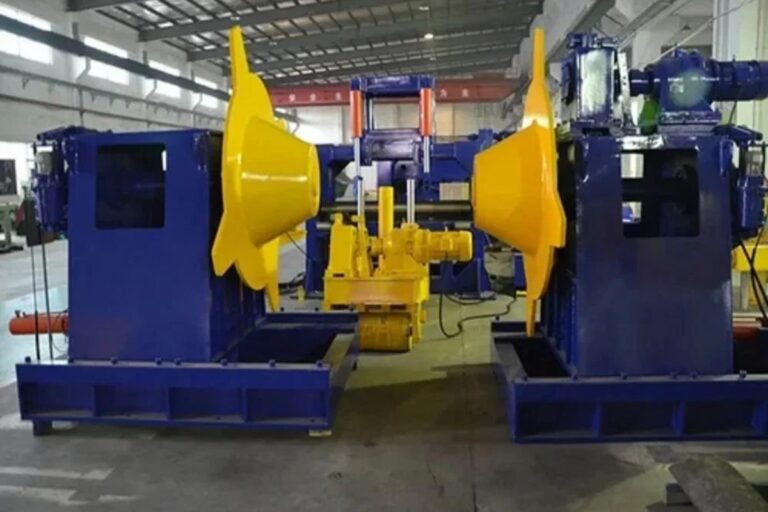
- Rewind station(s) with motorized winding
- Web-guide or edge-sensor systems
- Drive and control panel (often servo based)
- Safety guards, automatic knife positioning, perhaps automatic blade sharpening in high-end machines
- Frame, supports, rollers and guides
Types of Slitting Machines
- Depending on the material and the process requirements, slitting machines vary considerably:
- Film/Paper Slitter & Rewinder: for soft web materials like plastic film, paper, foils.
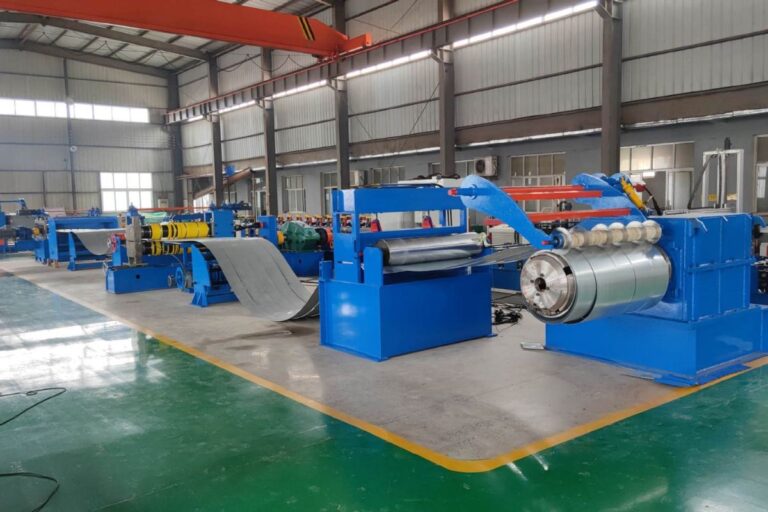
- Metal Coil Slitting Line: for steel, aluminum, copper—heavy duty, often with coil handling equipment.
- Surface type slitter rewinder: machines suited for broad widths and roll materials with surface feed.
- Log slitter (for large rolls in the form of “logs”) and rewind slitter
Applications
- Packaging industry: converting wide film or foil rolls into narrower rolls for packaging lines
- Printing: preparing rolls of film or paper to match printing widths
- Metalworking: slicing wide metal coils into narrower widths for various uses
- Tape & adhesive manufacturing: slit wider substrates into narrow tape widths
- Automotive, aerospace, electronics industries: where precise widths of material need to be processed
Benefits of Using a Quality Slitting Machine
- Material Efficiency: By converting material widths accurately, you minimise waste and better utilise raw material.
- Flexibility: You can produce multiple widths from a parent roll to suit various downstream processes.
- Speed & Throughput: High-speed machines allow large volumes of material to be processed quickly.
- Quality & Consistency: Proper tension control, alignment, and blade mechanics ensure clean edges, consistent roll diameter and reduced defects.
- Cost Savings: Less scrap, fewer manual interventions, and more repeatable operations lead to lower overall cost.
Potential Challenges & Considerations
- Initial Investment: A high-quality slitting line with servo drives, web guides, and automation can be costly.
- Maintenance Needs: Blades dull, tension systems drift, alignment must be checked—regular maintenance is key.
- Material Sensitivity: Some materials (very thin films, laminated webs, sensitive coatings) require very precise control and knife set-up.
- Roll Handling & Changeover Time: Changeovers (different widths, different coils) may incur downtime if not well managed.
- Operator Training: Skilled operators and good process control are needed to get consistent results.
How to Choose the Right Slitting Machine for your industrial needs.
- Match the machine’s maximum width, and thickness handling capability to your material.
- Check the slit width minimum and maximum your job requires.
- Ensure the machine has adequate tension and edge guide systems for material stability.
- Look for good rewind shaft design, drive system, and ease of blade change.
- Consider the manufacturer’s service support, spare parts availability, and customisation potential (such as from Ryb Motion Solutions).
- Evaluate the overall throughput and speed the machine can deliver relative to your production volume.
- Factor in safety features, material handling systems (decoiler/uncoiler), and future scalability.
A slitting machine is a foundational piece of equipment for converting wide rolls into useful narrower widths. Its correct selection and operation directly affect material efficiency, downstream processing, and overall manufacturing cost. Ryb Motion Solutions – leading slitting Machine Manufacturers, provide tailored slitting lines to meet industrial needs—helping companies transform raw rolls into production-ready formats with precision and reliability