In the industrial landscape, the demand for high-precision steel processing has grown exponentially. Industries that work with hot-rolled (HR) steel coils require machinery capable of handling large volumes, ensuring accurate cuts, and maintaining efficiency. The heavy-duty HR cut to length (CTL) line has emerged as a critical solution for manufacturers who need to convert hot-rolled coils into precise sheet lengths for various applications.
What is a Heavy-Duty HR Cut to Length Line?
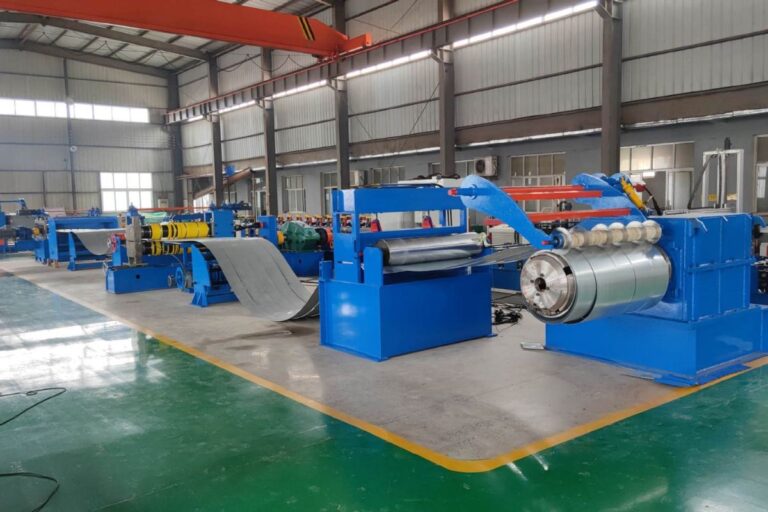
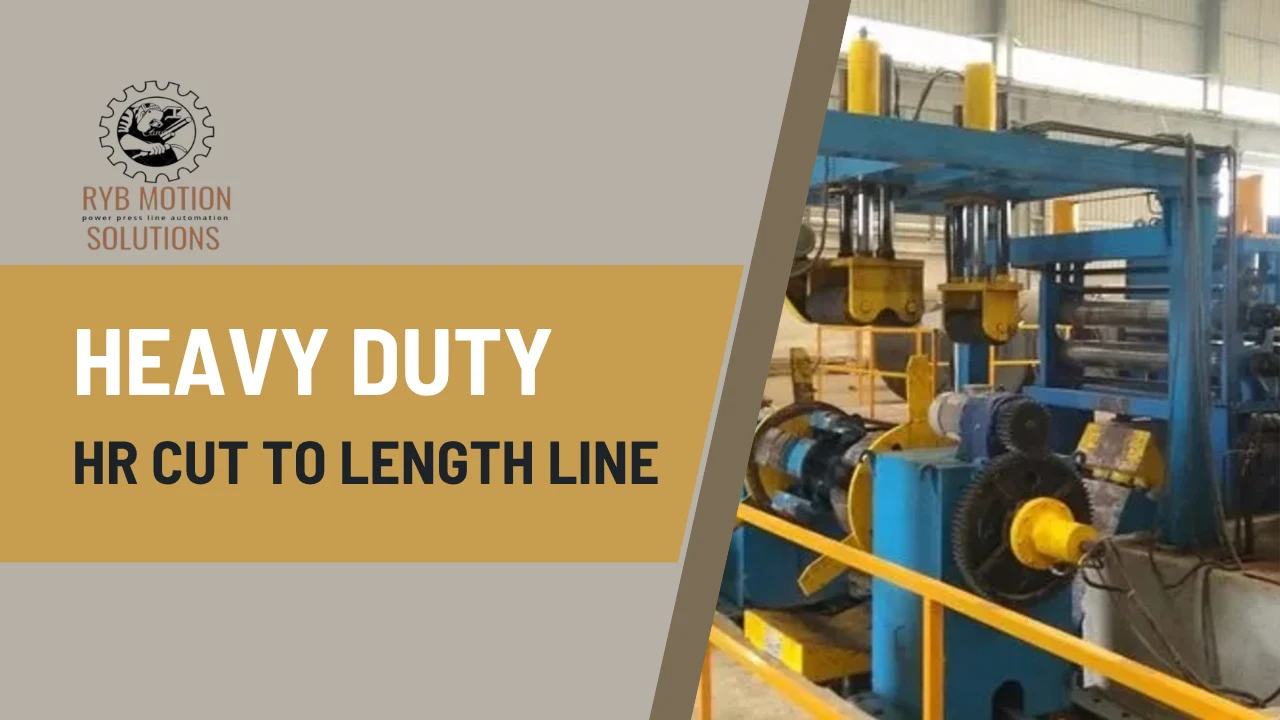
A heavy-duty HR cut to length line is a type of industrial machinery designed to process hot-rolled steel coils into flat sheets of specific lengths. The line typically consists of several integrated components, including:
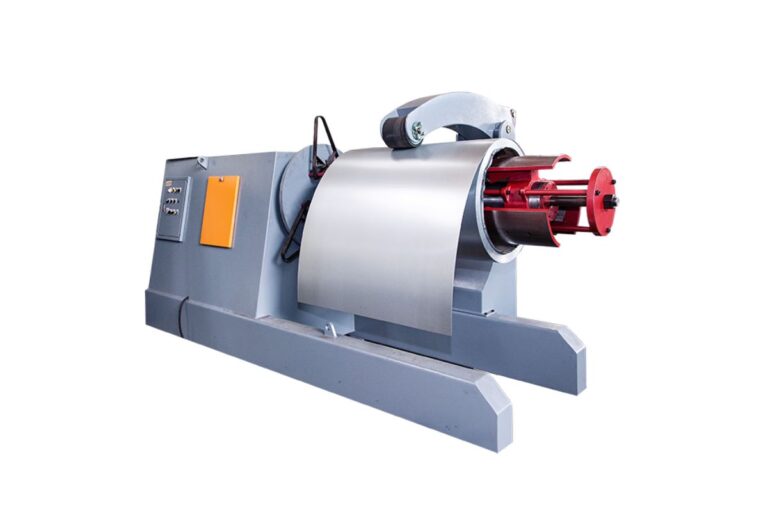
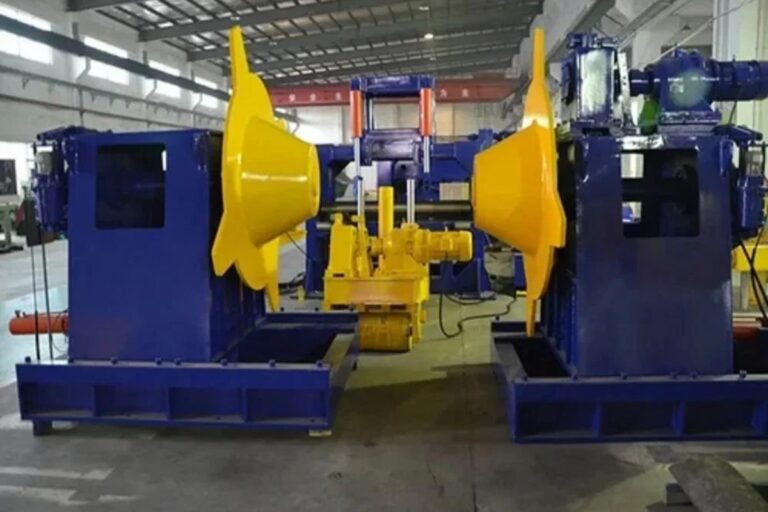
- Uncoilers: These hold the steel coil and feed it into the processing line.
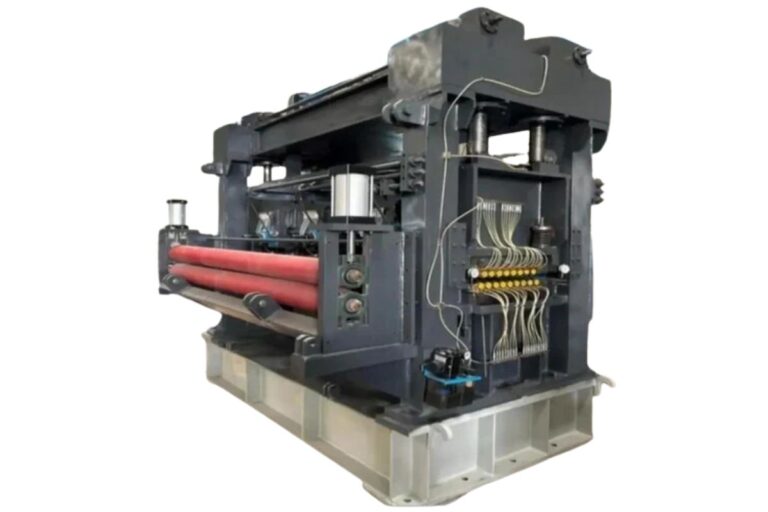
- Leveling Units: Straighten the steel to remove the coil set and ensure flatness.
- Shearing Machines: High-precision shears cut the steel to the desired length.
- Stacking and Handling Systems: Organize and transport the finished sheets efficiently.
By automating this process, heavy-duty HR CTL lines improve productivity, reduce material wastage, and ensure consistent quality.
Features of Heavy-Duty HR Cut to Length Lines
Heavy-duty HR CTL lines are specifically designed to meet the rigorous demands of industrial operations. Some of the key features include:
- High Processing Capacity: Capable of handling thick HR coils and high-speed production requirements.
- Precision Shearing: Hydraulic or mechanical shears provide clean, accurate cuts with minimal edge distortion.
- Automatic Leveling: Removes coil set and ensures perfectly flat sheets suitable for further manufacturing processes.
- PLC-Controlled Operation: Programmable logic controllers manage speed, feed, and cut length for optimal efficiency.
- Robust Construction: Built to withstand continuous industrial use and heavy-duty workloads.
- Customizable Configurations: Can be tailored to meet specific production requirements, such as sheet size, thickness, or output volume.
- Integrated Safety Systems: Protect operators from accidents with interlocks, emergency stops, and safety sensors.
Industrial Applications
Heavy-duty HR cut to length lines are widely used across several industrial sectors due to their versatility and efficiency. Some common applications include:
- Automotive Industry: HR steel sheets are cut to size for vehicle body panels, chassis components, and other parts.
- Construction: Steel sheets are used in structural frameworks, roofing, cladding, and panels.
- Appliance Manufacturing: Produces precise metal sheets for refrigerators, ovens, washing machines, and other appliances.
- General Manufacturing: HR steel sheets serve as raw material for metal furniture, machinery parts, and fabrication industries.
The ability to deliver consistently accurate sheets helps manufacturers maintain product quality and reduce rework or scrap, saving both time and costs.
Advantages of Using a Heavy-Duty HR Cut to Length Line
Investing in a heavy-duty HR CTL line brings numerous benefits for industrial operations:
- Enhanced Productivity: Automated feeding, leveling, and shearing increase output while reducing manual labor.
- Material Optimization: Precise cuts minimize steel wastage and improve overall material utilization.
- Consistent Quality: Produces flat, uniform sheets that meet strict dimensional tolerances.
- Flexibility: Can handle different coil widths, thicknesses, and steel grades, adapting to changing production needs.
- Reduced Operational Costs: Efficient automation reduces labor costs, errors, and downtime.
- Improved Safety: Integrated safety mechanisms protect workers from potential hazards during operation.
Technological Advancements
- Servo Drives: Ensure precise control of feeding speed and shear position.
- Digital Control Systems: Enable monitoring of production parameters and real-time adjustments.
- Automatic Stackers: Efficiently collect finished sheets for easy transportation and storage.
- Energy Efficiency Features: Reduce power consumption and environmental impact while maintaining performance.
- With these technological enhancements, industrial operations can achieve higher throughput, lower maintenance costs, and better product quality.
Maintenance and Best Practices
To maximize the lifespan and performance of a heavy-duty HR CTL line, proper maintenance and operational practices are essential:
- Regular Lubrication: Keep shears, bearings, and moving components properly lubricated.
- Inspection of Blades and Cutting Tools: Ensure blades are sharp and aligned to maintain cutting precision.
- Check Electrical and Control Systems: Inspect wiring, sensors, and PLC systems to prevent operational failures.
- Cleaning and Debris Removal: Prevent buildup of metal scraps or dust, which can affect performance.
- Operator Training: Skilled operators reduce the risk of errors, accidents, and equipment damage.
Future Trends in HR Cut to Length Technology
The demand for precision metal processing continues to grow with advancements in industrial manufacturing. Some emerging trends in HR CTL lines include:
- Integration with Industry 4.0: Smart machines capable of remote monitoring, data collection, and predictive maintenance.
- Robotics and Automation: Fully automated handling systems to reduce manual intervention.
- Eco-Friendly Designs: Energy-efficient machines that reduce carbon footprint and operational costs.
- Advanced Material Handling: Improved coil feeding and stacking mechanisms for higher throughput.
- These trends indicate that the future of HR CTL lines will focus on automation, efficiency, and sustainability, making them even more valuable for industrial manufacturers.
Conclusion
Metal processing Industries have grown up very fastly Heavy-duty HR cut to length lines are essential for industries that rely on hot-rolled steel processing. By offering precision, efficiency, and durability, our heavy duty steel cutting machines play a critical role in automotive, construction, appliance, and general manufacturing sectors.
With modern features such as automated leveling, hydraulic shears, PLC controls, and integrated safety systems, HR CTL lines not only improve productivity but also reduce material waste and operational costs. Proper maintenance and adoption of the latest technological advancements ensure that these machines remain reliable and efficient for long term.