Today’s metal processing industry demands precise measurements, operational efficiency, and consistent metal properties for the processing of its raw materials. The pivotal technology that fulfills these requirements operates through a Cut to Length Line system. This system delivers highly precise sheet dimensions for processing metal coils, serving the needs of the automotive, construction, and appliance sectors, as well as industries involved in manufacturing engineering components.
This blog will define the ‘Cut-to-Length Line’ and explain its operational mechanism; furthermore, it will provide a detailed overview of its available functions, essential components, and industrial applications. Ryb Motion Solution manufactures state-of-the-art metal processing systems that empower companies to achieve superior operational outcomes while ensuring absolute cutting precision.
What is a Cut to Length Line?
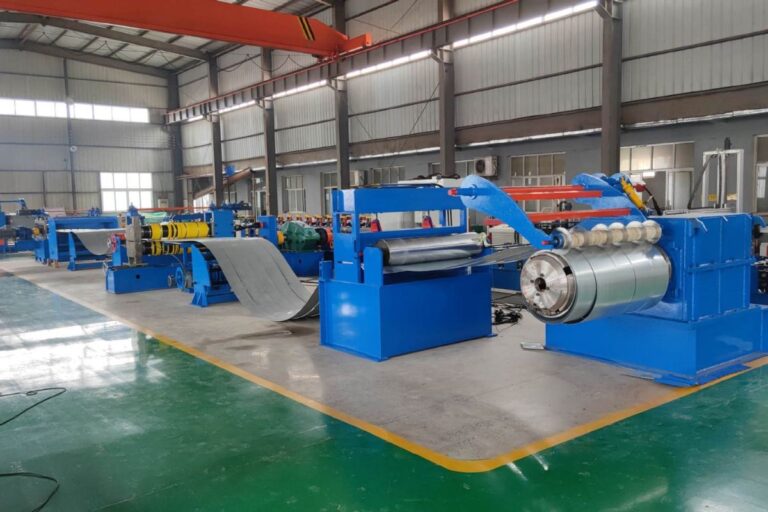
An industrial machine system called a cut-to-length line is capable of converting large metal coils into flat sheets measured to specific lengths. Industries prefer cut-to-length lines because these systems automatically unwind, flatten, measure, and cut coils, rather than requiring workers to manually cut sheets from raw materials.
Cut-to-length machines process continuous metal coils of steel, aluminum, or copper into sheets that match the exact dimensions required for manufacturing. This process creates uniform edges with a smooth surface while maintaining the material’s structural strength.
Metal fabrication plants use CTL machines because they produce precisely sized sheets, which are essential for processes such as stamping, forming, welding, and assembly.
How Does a Cut to Length Line Work?
Many manufacturers often ask: How does a ‘cut-to-length line’ work? Several advanced mechanical and automated systems must work together to complete the seemingly simple tasks of this process.
The process begins with loading a metal coil onto a CTL machine. The coil is unrolled until it reaches a machine equipped with rollers that straighten the material. Leveling is used to remove any twists and warps in the coil.
Once the sheet is leveled, a measuring system determines the required length. The material then moves to a high-precision shear cutter, which performs the ‘cut-to-length’ operation. The sheets are cut to pre-determined dimensions and then automatically stacked for easy handling.
Key Components of a Cut to Length Line
A cut to length line consists of multiple components that work together to ensure smooth material processing. Each part of the system plays an important role in achieving accurate sheet cutting.
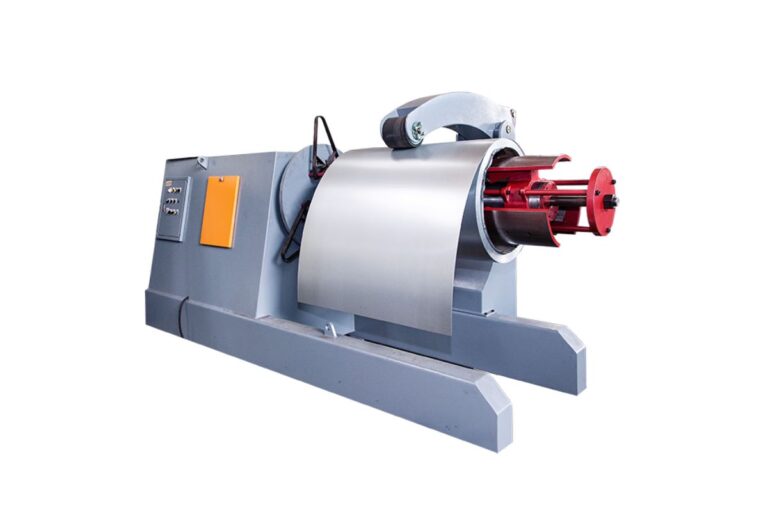
1. Decoiler
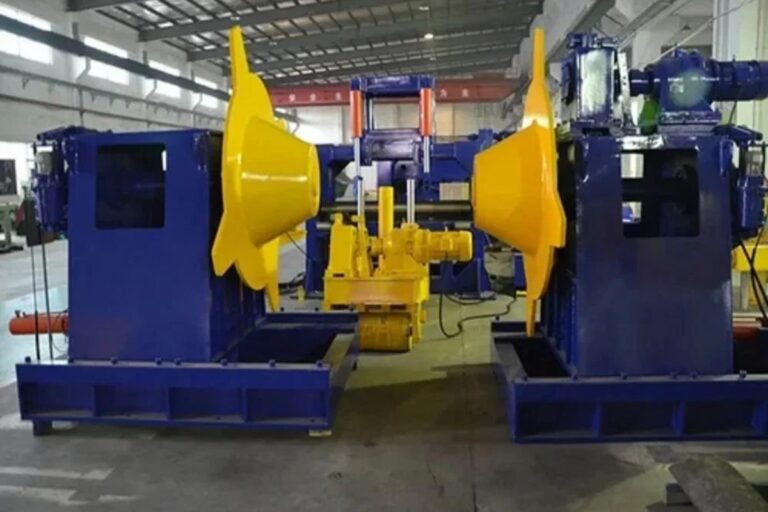
The decoiler holds and unwinds the metal coil. It ensures smooth feeding of the material into the cut-to-length line without tension issues.
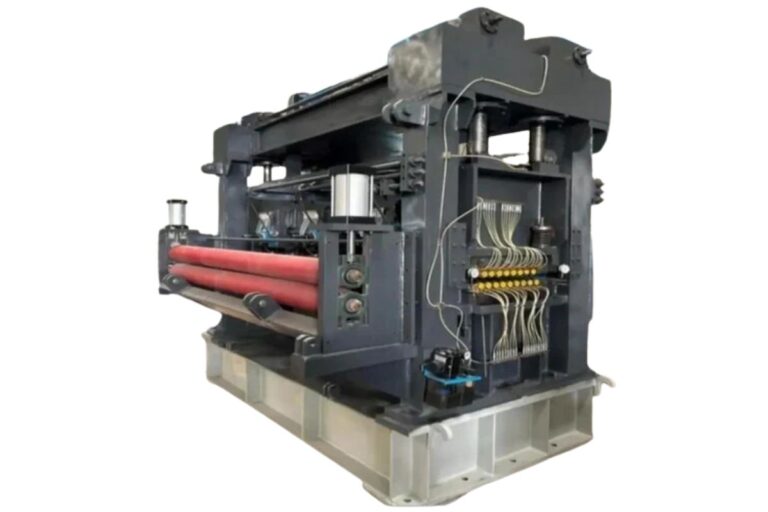
2. Leveling Machine
The leveling unit straightens the metal strip by passing it through a set of rollers. This step removes curvature and ensures flat sheets after the cut-to-length process.
3. Feeding System
The feeding system controls the speed and direction of the metal strip as it moves through the CTL machine.
4. Measuring System
Sensors and digital controllers measure the sheet length accurately before the cutting process begins.
5. Shearing Unit
This is the most important part of the cut-to-length lines, where the metal strip is cut into sheets using a high-precision shear.
6. Stacker
The stacker collects the cut sheets and arranges them neatly for packaging or further processing.
Types of Cut to Length Machines
Industries use different types of cut-to-length machines depending on their production requirements and the material being processed.
Light Gauge Cut to Length Line
This type of cut to length line is designed for thin metal sheets such as aluminum or light steel. It is commonly used in electronics and appliance manufacturing.
Medium Gauge Cut to Length Line
Medium-gauge cut-to-length lines are suitable for processing medium-thickness steel coils used in automotive and industrial components.
Heavy Gauge Cut to Length Line
Heavy-duty CTL machines are designed to process thick metal sheets in the shipbuilding, heavy engineering, and construction industries.
Industries use different types of cut-to-length machines depending on their production requirements and the material being processed.
Light Gauge Cut to Length Line
This type of cut-to-length line is designed for thin metal sheets such as aluminum or light steel. It is commonly used in electronics and appliance manufacturing.
Medium Gauge Cut to Length Line
Medium gauge cut-to-length lines are suitable for processing medium-thickness steel coils used in automotive and industrial components.
Heavy Gauge Cut to Length Line
Heavy-duty CTL machines are designed to process thick metal sheets in the shipbuilding, heavy engineering, and construction industries.
Industrial Applications of Cut to Length Lines
Automobile manufacturers use cut-to-length lines to prepare metal sheets for car body panels, chassis components, and structural parts.
Construction Industry
In construction, cut to length machines are used to produce roofing sheets, cladding panels, and structural steel components.
Electrical Industry
Electrical equipment manufacturers use CTL machines to create panels, enclosures, and cabinets.
Appliance Manufacturing
Home appliance manufacturers rely on cut-to-length lines to process metal sheets for refrigerators, washing machines, ovens, and air conditioners.
Heavy Engineering
Heavy machinery manufacturers use cut to length line systems to produce large metal sheets required for industrial equipment and infrastructure projects.
Advantages of Using a Cut to Length Line
system enhances production efficiency while maintaining material quality.
CTL machines enable users to produce sheets with precise dimensions, thereby helping to minimize production errors and reduce material wastage. The automated system maintains a consistent production rate, ensuring uniform results in sheet production.
Cut-to-Length lines facilitate metal processing operations involving various metals, including stainless steel, carbon steel, aluminum, and galvanized sheets. This versatility makes them suitable for a wide range of manufacturing applications.
Today’s modern Cut-to-Length machines require minimal manual intervention—a feature that enhances workplace safety and reduces labor costs.
Why Choose Ryb Motion Solution for Cut to Length Lines?
Selecting the right manufacturer for your cut-to-length line is of paramount importance, as it plays a pivotal role in ensuring reliable and efficient manufacturing operations. Rayb Motion Solution develops advanced metal processing equipment designed to meet modern industrial requirements.
Our cut-to-length lines utilize automated technology, guaranteeing precise cutting results, efficient material flow, and durable operational capabilities. Our company develops engineering solutions that boost productivity while simultaneously reducing operational costs.
Rayb Motion Solution develops customized CTL machines tailored to meet the specific industrial requirements of various organizations. Our experienced engineers ensure that all cut-to-length machines deliver consistent performance and precise results.
Future Trends in Cut to Length Technology
The manufacturing industry is transforming its operational methods for ‘Cut-to-Length’ (CTL) lines as it adopts smart production technologies alongside automated systems. Existing equipment now supports advanced control systems, in addition to sensor technology and digital monitoring functions.
Technological advancements enable manufacturers to track equipment performance, thereby allowing them to enhance production efficiency and minimize machine downtime. Future CTL machines are expected to incorporate AI-based automation systems, predictive maintenance tools, and energy-efficient technologies.
Conclusion
The cut to length line is an essential machine in the metal processing industry. It transforms large metal coils into accurately sized sheets through an automated process that includes uncoiling, leveling, measuring, and cutting.
Understanding What is a Cut to Length Line and How Does a Cut to Length Line Work helps manufacturers choose the right equipment for their production needs. With its ability to deliver precise cutting, reduce waste, and increase efficiency, the cut-to-length line has become a critical component of modern manufacturing.